
24/7 Customer Support

Free returns

Same-day & Next-day Delivery

Quality Guaranteed

Unlock Your Welcome Offers: FREE Delivery | Up to 80% OFF | Free 30-day JoyPlus trial
Download the APP
The BMW 3 Series F30 (2012-2019) remains a favourite on UK roads, admired for its driving dynamics and timeless design. However, as technology has moved on, the original halogen or early xenon headlights can leave the front end looking dated and under-lit compared to modern vehicles. An LED headlight upgrade is a popular choice for revitalising its appearance and improving night-time visibility.
However, the market for BMW F30 LED headlights is filled with options that can lead to disappointment and wasted money. Before you commit, it is crucial to understand the common pitfalls that many owners encounter.
To ensure your investment is a genuine improvement, focus on these core technical parameters. Getting these right is the difference between a successful modification and a frustrating headache.
The single most important step is to identify the type of headlights your F30 was equipped with from the factory. The F30/F35 platform was sold with two main types:
An upgrade designed for a halogen-equipped car will not fit or function on a car with factory xenons, and vice-versa. The mounting points, wiring harnesses and control modules are fundamentally different. Always confirm your car's original specification before adding any 2012-2019 BMW F30 accessories to your basket.
The housing that directs the light is just as important as the light source itself. For an LED upgrade, an F30 projector headlight is the superior choice. A projector uses a lens to focus the light into a very sharp, flat beam with a distinct cut-off line. This concentrates the light on the road where you need it and prevents it from glaring into the eyes of other drivers, a key requirement for passing an MOT test in the UK. While you can put LED bulbs in a reflector housing, it is much harder to control the beam, often resulting in dangerous glare.
Modern BMWs use a Controller Area Network, or CANbus, system to monitor all the vehicle's electronics, including the lights. The system expects to see a certain electrical resistance from a standard bulb. Since LEDs use far less power, the CANbus system can mistakenly believe a bulb has failed, triggering a warning light on your dashboard or causing the light to flicker. To avoid this, you must choose a product that is "CANbus-ready" or includes built-in decoders or resistors. This is a hallmark of quality plug and play headlights for BMW and is essential for a trouble-free experience.
Based on these critical factors, we have matched a few options to different owner profiles and needs.
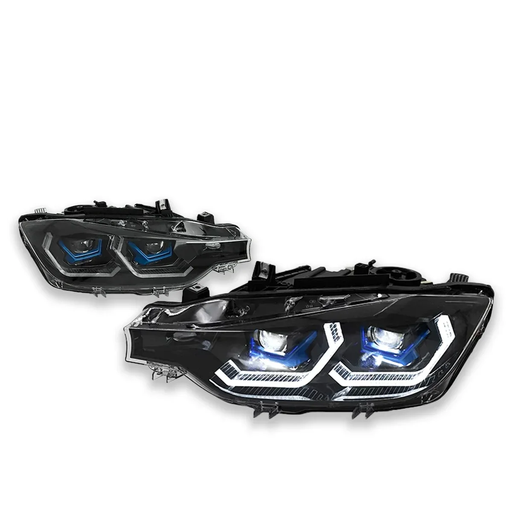
Why This Fits Their Persona: This owner wants the complete modern BMW look. They are upgrading from basic halogen lights and want the sharp, white aesthetic of the later LCI models, including modern angel eyes and dynamic indicators, all in one go.
As a complete assembly, the projector optics are engineered specifically for the integrated LED light source, ensuring a sharp, MOT-compliant beam pattern and avoiding the glare from mismatched components.
Provides a full front-end transformation, incorporating modern F35 DRL headlights and often F30 dynamic turn signals in a single, cohesive unit designed for a direct fit.
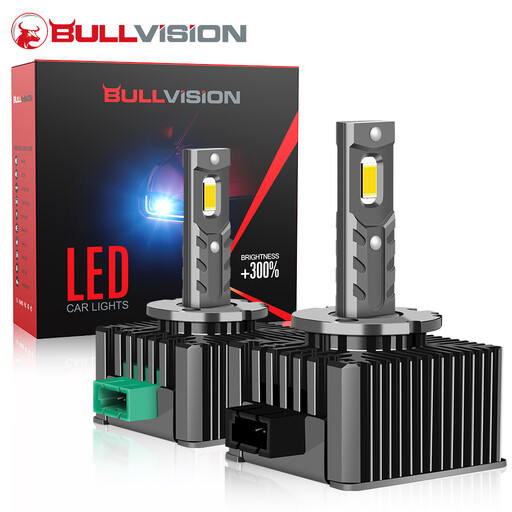
Why This Fits Their Persona: This F30 owner already has the desirable factory xenon headlights but wants to replace the yellowish, slow-to-warm-up HID bulbs with the instant-on, crisp white light of modern LEDs without replacing the entire housing.
By using a 1:1 design that mimics the size and light-emitting point of the original D2S xenon bulb, it works with the factory projector optics to maintain the correct beam pattern, avoiding glare and MOT issues.
A cost-effective way to get LED performance and colour while retaining the high-quality original BMW headlight assembly. The built-in CANbus compatibility helps prevent error codes.
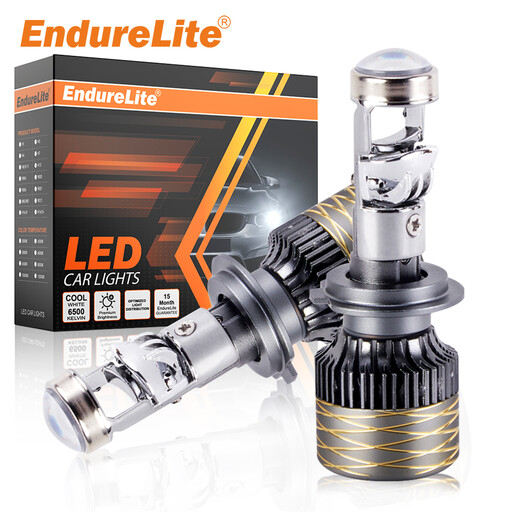
Why This Fits Their Persona: This driver has a halogen-equipped F30 and is primarily focused on improving visibility and safety on a budget. They want a significant brightness increase over the dim factory bulbs without the expense of a full assembly replacement.
This bulb has a miniature projector lens built into its tip. This helps to create a more controlled beam pattern than a standard LED bulb placed in a halogen reflector housing, reducing the risk of excessive glare.
A simple, low-cost bulb swap that offers a substantial increase in brightness. The integrated CANbus-ready design aims for an error-free installation. Always check beam alignment after fitting.
We have compiled a complete, real-time list of products that fully satisfy these strict selection criteria and UK safety regulations.
It depends on the product. High-quality, full BMW car styling lamps designed as plug and play headlights for BMW often include built-in CANbus decoders that prevent errors, requiring no coding. Simpler LED bulb replacements might occasionally require an additional resistor or coding if your car is particularly sensitive. Always check the product description for notes on CANbus compatibility.
For an aftermarket headlight to be road legal in the UK, it must be 'E-marked' (certifying it meets European standards) and produce a beam pattern that complies with MOT regulations. The key requirement is a sharp, right-hand-drive-appropriate cut-off that illuminates the road without dazzling oncoming traffic. Using LED bulbs in F30 projector headlights gives you the best chance of achieving this. After any installation, it is advisable to have the headlight alignment checked at a garage.
LEDs offer a significantly longer operational life than older technologies. A typical halogen bulb may last 1,000 hours and a xenon bulb around 2,000-3,000 hours. In contrast, many LED headlight units are rated for 30,000 to 50,000 hours. This longevity is heavily dependent on the quality of the unit's cooling system (e.g., a fan or a passive heat sink), which prevents the LED chips from overheating.