
24/7 Customer Support

Free returns

Same-day & Next-day Delivery

Quality Guaranteed

Unlock Your Welcome Offers: FREE Delivery | Up to 80% OFF | Free 30-day JoyPlus trial
Download the APP
A proper bone cleaver is a serious tool for a serious job. Whether you're a professional butcher, a chef or a home cook who enjoys processing large cuts of meat, the right cleaver can make the task of splitting bone and portioning ribs feel effortless. However, the market is filled with knives that look the part but fail dramatically when put to the test. Choosing incorrectly not only wastes money but can also be a significant safety hazard.
As a Joybuy Product Recommendation Officer, my role is to help you navigate these choices. Let's cut through the marketing clutter and focus on what truly matters, so you can avoid the common pitfalls and select a tool that delivers on its promise.
Many shoppers are disappointed when their new, impressive-looking cleaver chips or the handle loosens after just one use. This often happens by falling into one of these three common traps:
To ensure you get a reliable and safe tool, focus on these non-negotiable features.
The steel is the heart of the cleaver. The two main options each have distinct characteristics.
A true bone cleaver is built differently from other knives.
How the knife is made is just as important as what it's made from.
Based on these essential criteria, here are a few options suited to different user needs.
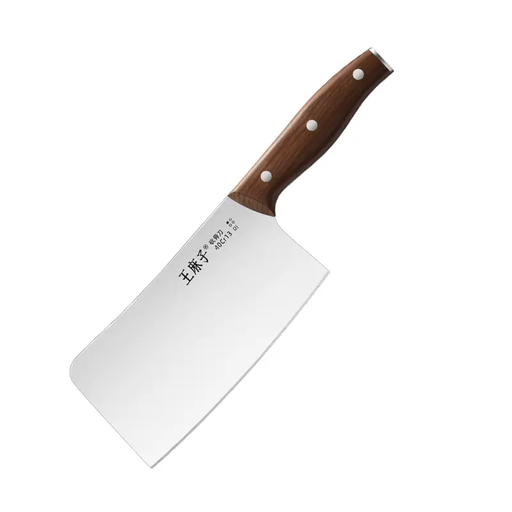
Why This Fits Their Persona: For the user who regularly breaks down whole poultry, racks of ribs or large bone-in joints, this is a purpose-built tool. Its design is focused purely on delivering the power needed for heavy-duty butchery tasks at home.
This is not an "all-purpose" knife; it is a dedicated bone chopper knife. Its forged high-carbon steel construction and substantial weight are engineered for impact, avoiding the pitfalls of using a lighter, less durable vegetable cleaver.
The combination of its weight and tough carbon steel blade delivers exceptional chopping force, allowing for clean splits through dense bone with minimal effort.
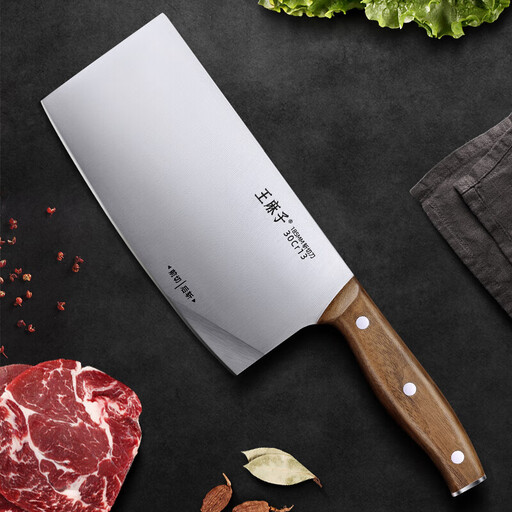
Why This Fits Their Persona: This user appreciates high performance but also values aesthetics and ease of maintenance. The combination of a robust stainless steel blade and a natural walnut handle offers both function and form for a well-equipped kitchen.
It sidesteps the "soft steel" trap by using a high-quality stainless steel formulated for durability. The visible full-tang construction through the walnut handle confirms it is built for strength, not just looks.
Delivers heavy-duty chopping power with the added benefit of rust resistance and an ergonomic, comfortable wooden handle that reduces hand fatigue during use.
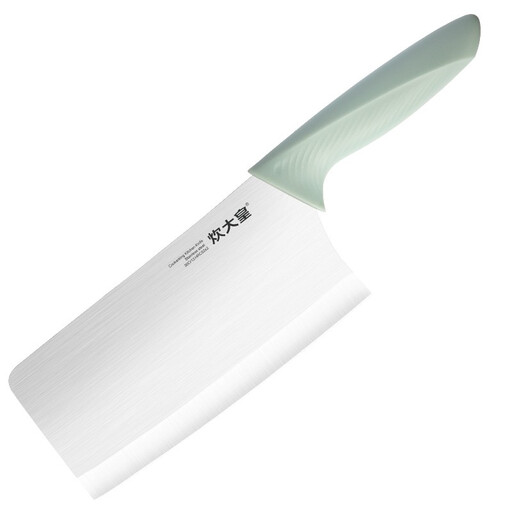
Why This Fits Their Persona: This is for the home cook who needs a reliable, powerful tool for occasional heavy-duty tasks but prefers the low-maintenance convenience of stainless steel. It provides the necessary power without requiring specialised care.
By being explicitly marketed as a "Heavy-Duty Cleaver," it distinguishes itself from lighter vegetable choppers. The forged stainless steel construction provides a durable entry point for those needing a powerful kitchen chopper.
Offers robust chopping capability for bones and tough meats combined with the easy-care, rust-resistant properties of stainless steel, making it a very practical choice.
We have compiled a complete, real-time list of products that fully satisfy these strict selection criteria and UK safety regulations.
The main difference is blade thickness and purpose. A Chinese cleaver (or cai dao) is a general-purpose kitchen knife with a thin, sharp blade, excellent for slicing vegetables and boneless meats. A bone cleaver is a much heavier, thicker tool with a tougher, less acute edge angle. It is designed specifically for chopping through bone and cartilage, a task that would destroy a Chinese cleaver.
Safety is paramount. Always use a sturdy, stable chopping block, preferably wood or a composite material that can absorb impact. Keep your guiding hand well away from the blade's path. Chop with firm, deliberate downward strokes, letting the weight of the cleaver do most of the work. For maintenance, wash and dry your cleaver immediately after use, especially if it's high-carbon steel, to prevent rust. Store it in a knife block or on a magnetic strip to protect the edge.
Yes, but it requires a different approach than sharpening a fine-edged knife. Because the edge is thicker and designed for durability, a coarse whetstone or a specific sharpener designed for axes and cleavers is often more suitable than a fine-grit stone. The goal is to maintain a tough, durable edge rather than a razor-sharp one. If you are not confident, a professional sharpening service can restore the correct edge geometry for you.