The Chinese cleaver is one of the most versatile tools you can have in your kitchen, but its simple rectangular shape can be misleading. Not all cleavers are created equal. Some are designed for the delicate art of slicing vegetables paper-thin, while others are built to handle the toughest butchery tasks. Choosing the wrong one can lead to frustration and poor results.
This guide is designed to help you understand the key differences between various types of Chinese cleavers. We will walk you through what to look for and provide some practical recommendations to help you find the perfect blade for your culinary needs.
How to Choose Your Chinese Cleaver
Navigating the world of Asian cutlery can seem complex, but focusing on a few key features will simplify your decision. Here’s what to consider before you buy.
1. Match the Blade to the Task: Slicer, Chopper, or Bone Knife?
The most important factor is understanding the three primary categories of Chinese cleavers.
- Slicing Cleaver (Pian Dao): These have the thinnest and sharpest blades. They are lightweight and designed for precision tasks like slicing boneless meats, mincing herbs and finely dicing vegetables. Using a slicing cleaver on bones will damage the fine edge.
- All-Purpose Chopper (Cai Dao): This is the versatile workhorse. The blade is thicker and heavier than a slicer, making it a great all-round kitchen cleaver. It can handle chopping firm vegetables, dicing meat and even breaking down poultry.
- Bone Chopper Knife (Gu Dao): This is the heavy duty cleaver. It features the thickest, heaviest blade and is built for high-impact work. Use this bone chopper knife for separating ribs, cutting through joints and portioning large cuts of meat with bone.
2. Consider the Blade Material and Construction
The steel used in a cleaver's blade dictates its sharpness, durability and maintenance requirements.
- Stainless Steel: A popular choice for its resistance to rust and corrosion. It is generally easier to care for and holds a decent edge, making it a practical option for many home cooks.
- High-Carbon Steel: Often favoured by professionals for its ability to achieve and hold an exceptionally sharp edge. However, it requires more care—it must be washed and dried immediately after use to prevent rust.
- Tang: Look for knives with a full tang, where the steel from the blade extends all the way through the handle. This provides superior balance, strength and longevity, especially important for a meat cleaver or chopper.
3. Assess the Handle and Overall Balance
A comfortable handle is crucial for control and safety. Handles are typically made from wood or composite materials. Choose one that feels secure and comfortable in your hand, even when wet. The knife should feel balanced, neither too blade-heavy nor too handle-heavy, allowing it to feel like a natural extension of your arm.
Top Chinese Cleaver Recommendations
Based on their features, materials and intended use, here are our recommendations to help you find a reliable Asian chef knife for your kitchen.
WANGMAZI Slicing Knife Cleaver - Shenmo Series · Two - 190 mm
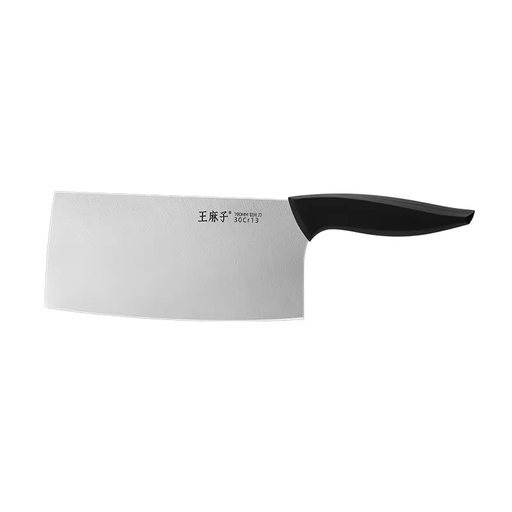
- Why It Stands Out: This cleaver is all about precision. Forged from high-quality German steel, its 190 mm blade is engineered for razor-sharpness, allowing for incredibly clean and effortless cuts. The full tang construction ensures it is perfectly balanced for superior control during intricate tasks.
- Pros:
- Sharp edge ideal for clean, precise slicing.
- Full tang construction provides excellent balance and control.
- Ergonomic handle designed for comfort during long prep sessions.
- Who is it for? The home chef or culinary enthusiast who needs a dedicated slicing cleaver for preparing boneless meats, fish and vegetables with finesse. It is a specialist tool for those who value presentation and precision.
WANGMAZI Chopping Knife Cleaver- Shenmu Series Lu
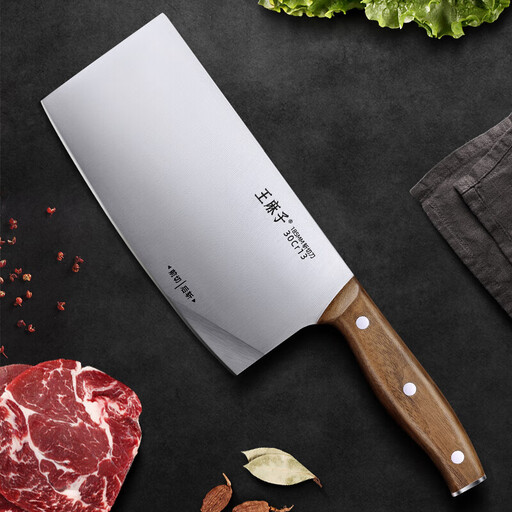
- Why It Stands Out: This is an excellent all-rounder. The blade is forged from durable 400 series stainless steel, offering a great combination of sharpness, edge retention and rust resistance. Its weight and balance make it suitable for a wide variety of daily kitchen tasks, from dicing onions to breaking down a whole chicken.
- Pros:
- Versatile blade suitable for chopping, dicing and mincing.
- Durable and rust-resistant stainless steel construction.
- Classic walnut handle provides a comfortable and secure grip.
- Who is it for? Anyone looking for their first Chinese cleaver or a single, reliable knife to handle the majority of their daily food preparation. It’s a true kitchen workhorse.
WANGMAZI Household Kitchen knife Forging and Chopping Bones
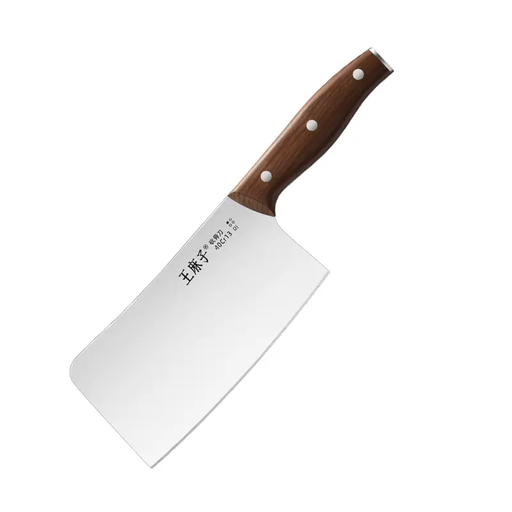
- Why It Stands Out: This is a purpose-built bone chopper knife. Forged from high-carbon stainless steel with a thick, robust spine and a full-tang build, it is designed to withstand high-impact force. This is the tool you reach for when dealing with tough joints, ribs and frozen foods.
- Pros:
- Specifically forged for heavy-duty tasks like chopping bones.
- Full-tang construction ensures maximum durability and power.
- Ergonomic, non-slip handle for a safe grip during forceful use.
- Who is it for? The serious home cook, amateur butcher or anyone who frequently prepares large cuts of meat and needs a powerful and reliable heavy duty cleaver to get the job done safely and efficiently.
Looking for More Options?
If these specific models aren't quite what you're looking for, or if you wish to compare them with other styles, there is a wider world of cutlery to discover. From Japanese Santokus to classic Western chef's knives, finding the right blade can transform your time in the kitchen.
Explore our full range of cooking and kitchen knives to see a broader selection.
Frequently Asked Questions About Chinese Cleavers
1. Can I use one Chinese cleaver for everything? It depends on the type. An all-purpose chopping cleaver (Cai Dao) is very versatile and can handle about 80% of kitchen tasks. However, you should not use a thin slicing cleaver (Pian Dao) on bones, as this will chip the delicate edge. Likewise, a heavy bone chopper (Gu Dao) is too cumbersome for fine vegetable prep.
2. What is the difference between a Chinese cleaver and a Western meat cleaver? While they may look similar, their functions differ. A Western meat cleaver is almost always a heavy, thick-bladed tool designed exclusively for hacking through bone and cartilage. A Chinese cleaver, on the other hand, is a family of knives. The category includes thin slicers, all-purpose choppers and heavy bone choppers, making it a much more versatile classification of knife. The broad, flat side of a Chinese cleaver is also commonly used to crush garlic and ginger or to scoop and transfer chopped ingredients from the board to the pan.
3. How should I care for my Chinese cleaver? Proper care will ensure your knife lasts a lifetime. Always wash your cleaver by hand with warm, soapy water—never put it in the dishwasher, as the harsh detergents and high heat can damage both the blade and the handle. Dry it immediately and thoroughly, especially if it is made from high-carbon steel, to prevent rust. Store it in a knife block, on a magnetic strip or in a sheath to protect the edge.


