
24/7 Customer Support

Free returns

Same-day & Next-day Delivery

Quality Guaranteed

Unlock Your Welcome Offers: FREE Delivery | Up to 80% OFF | Free 30-day JoyPlus trial
Download the APP
A reliable camping cooler box is the unsung hero of any successful British outdoor adventure. Whether it's for a weekend by the lake, a family picnic in the park or a long road trip, it keeps your food fresh and your drinks refreshingly cold. However, the market is flooded with options, and it's easy to fall for marketing hype that leaves you with a glorified plastic box that can't keep a sandwich cool past lunchtime.
Before you spend your hard-earned money, let's look at the common pitfalls that many buyers overlook.
To find a truly effective insulated cool box, you need to look past the flashy stickers and focus on the core components that determine performance and longevity.
The single most important feature is the insulation. Basic, cheap coolers often use simple polystyrene (EPS) foam, which offers minimal thermal resistance. For genuine multi-day cooling, you need a hard shell cooler with a core of high-density polyurethane (PU) foam. This material is injected between the inner and outer walls, filling every gap to create a solid barrier that significantly slows down heat transfer. It's the same technology used in high-end refrigerators and is the standard for any serious portable ice chest.
The most advanced insulation is useless if the lid doesn't seal properly. A simple friction-fit plastic lid is a major weak point, allowing cold air to escape and warm air to enter every time the box is moved or the temperature changes. Look for a cooler that features a thick silicone gasket running around the entire rim of the lid. When combined with sturdy latches, this creates an airtight seal that is critical for long-lasting cold retention, making it an essential feature for a car cooler box on a long journey.
Consider how you will use the cooler. A 22L cooler is often a sweet spot for couples or small families on a weekend trip, offering enough space for essentials without being too cumbersome. For a large cool box for family gatherings, you might need 30L or more. Pay attention to the build quality. Reinforced corners, robust one-piece handles and food-grade interior plastic (like PP plastic) are all signs of a durable product built for the demands of outdoor use, not just a trip to the local supermarket.
Instead of a generic list, we've matched our recommendations to specific types of users, helping you find the right fit for your adventures.
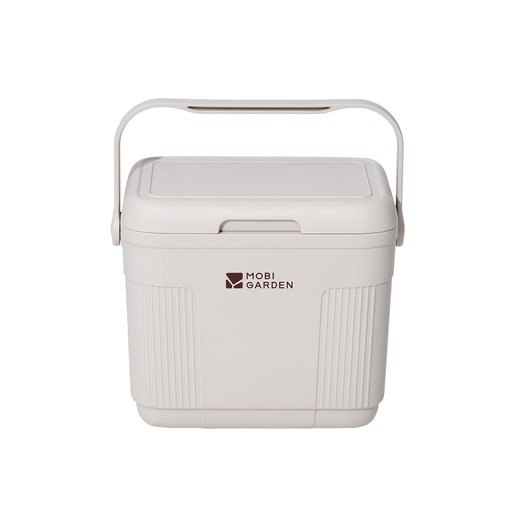
Why This Fits Their Persona: This 22L cooler is the ideal size for a family of four on a weekend camping trip or a long day out. It's large enough to hold food and drinks for everyone but remains manageable to carry from the car to the campsite.
It directly counters the "flimsy failure" trap with a robust hard shell, reinforced corners and a rotating one-piece handle. The widened silicone gasket provides the airtight seal that cheaper models lack.
Features high-density PU foam insulation for genuine long-lasting cooling. It also includes two dedicated food-grade ice boxes that fit into internal slots, optimising performance.
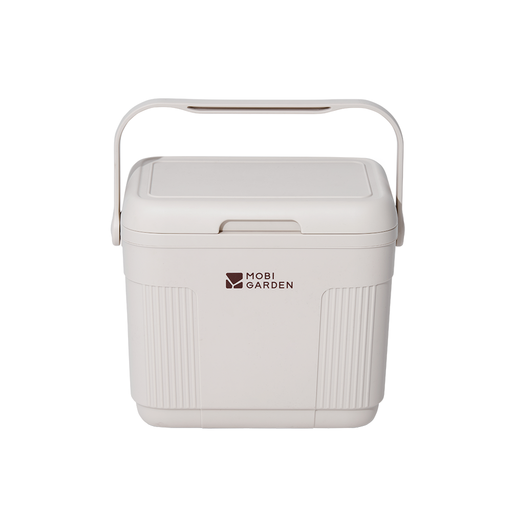
Why This Fits Their Persona: Perfect for those who need a compact and lightweight solution. This 10L model is an ideal picnic cooler for two or a solo fishing trip, holding lunch and a few drinks without the bulk of a larger box.
It avoids the "bulky vs. bountiful" trap by offering an efficient size-to-capacity ratio. It uses proper PU foam insulation and a silicone gasket, features typically found only in larger, more expensive models.
Excellent portability due to its light weight and one-piece handle. The food-grade PP body means you can place sandwiches or fruit directly inside without worry.
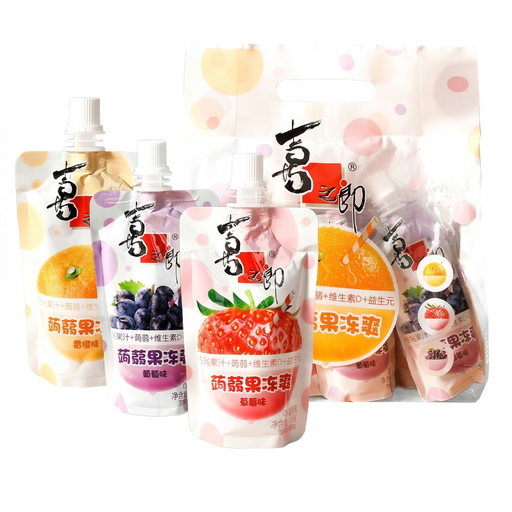
Why This Fits Their Persona: This isn't a cooler, but it's what the savvy packer puts inside. These ready-to-eat jelly pouches are perfect for filling the gaps in your cooler, which is essential for maximising cooling efficiency.
It helps you avoid the trap of poor performance caused by empty air pockets. Air is an insulator's enemy; filling these gaps with chilled pouches means your ice works on cooling contents, not empty space.
They serve a dual purpose: they act as mini ice packs while also being a refreshing, ready-to-eat snack for kids and adults, saving you space and hassle.
We have compiled a complete, real-time list of products that fully satisfy these strict selection criteria and UK safety regulations.
There are several effective techniques. First, pre-chill your cooler overnight by putting a bag of ice or frozen water bottles inside. Always refrigerate or freeze your food and drinks before packing. When loading, use a mix of large ice blocks (which melt slowly) and cubed ice (which fills gaps). Fill as much empty space as possible—use extra ice, frozen snacks or even a towel. Finally, keep the cooler in the shade and open the lid as infrequently as you can.
For a weekend trip (two days, one night), a 22L cooler is generally a suitable size for a family of four. It can comfortably hold milk, bacon, sausages, a few drinks and other essentials. For trips longer than a weekend, or if you have larger appetites, you may want to consider a larger model (30L+) or supplement with a second, smaller cooler dedicated just to drinks.
The primary differences lie in three key areas: