
24/7 全天候客户支持

免费退货

当日/次日达

品质保障

开启新人专享福利: 全场免邮 | 低至 2 折 | 免费试用 30 天 JoyPlus 会员
下载 Joybuy
A warm meal or a hot cup of tea can transform an outdoor adventure, especially when the British weather lives up to its reputation. But choosing the right camping stove can feel overwhelming. With so many options, how do you find the one that fits your pack, your cooking style and your trip?
This guide is designed to cut through the clutter. We'll walk you through the key features to consider and share some of our top recommendations to help you find a reliable cooking companion for your next trip, whether it's a weekend festival or a multi-day hike.
Before diving into specific models, let's cover a few essential points. Thinking about these factors will help you narrow down your search for the perfect portable gas stove.
The first question to ask is: how will you be carrying it? For car camping or festivals, a few hundred extra grams is no issue. But for long-distance trekking, every gram counts. An ultralight hiking stove, often made from materials like titanium, can weigh as little as a few coins. A heavier, more robust stove might offer greater stability and power, making it better for group cooking with larger pots.
A stove's power, measured in Watts (W), determines how quickly it can boil water and cook food. Higher wattage means faster cooking, but often higher fuel consumption. Most modern stoves use screw-on gas canisters (EN 417 standard) containing a butane/propane mix, which performs well in a range of UK temperatures. For blustery conditions on a hillside or coast, a windproof camping stove is invaluable. It protects the flame, ensuring a consistent heat output and saving precious fuel.
A camping cooking system integrates the burner, pot and sometimes a heat exchanger into one compact unit. This all-in-one design is highly efficient and convenient, as everything nests together neatly. In contrast, a standalone backpacking stove is just the burner itself, giving you the flexibility to choose your own pots and pans. This can be a lighter setup if you already own suitable cookware.
Based on their features, portability and user-friendliness, here are a few standout options for different types of outdoor enthusiasts.
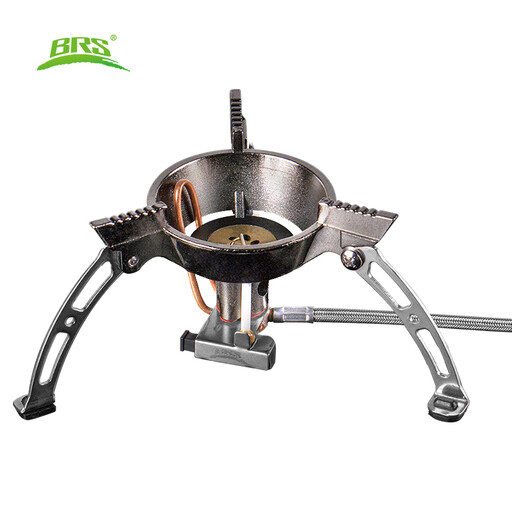
Why It Stands Out This stove strikes an excellent balance between power and practicality. Its windproof design is a significant advantage for unpredictable outdoor conditions, ensuring the flame stays strong. With a powerful 3240W output, it gets water boiling quickly. The wide, non-slip bracket provides a stable base for pots up to 5kg and its compatibility with multiple fuel types (thanks to the included adapter) makes it a highly versatile choice.
Pros
Who is it for? This is a great all-rounder for weekend campers, hikers and anyone who needs a reliable and powerful stove that can handle varied conditions without being excessively heavy.
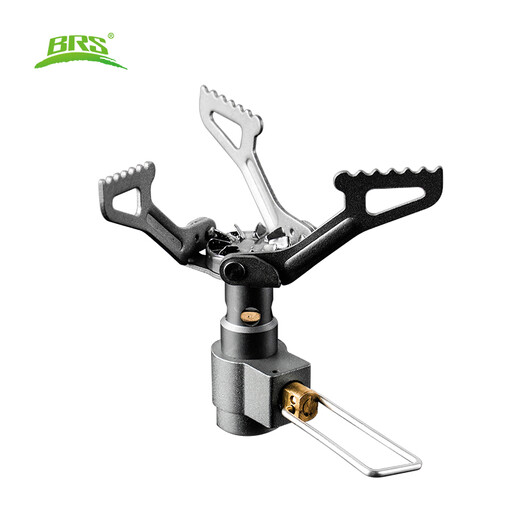
Why It Stands Out When it comes to minimising pack weight, the BRS 3000T is a remarkable piece of kit. Weighing an astonishing 26 grams, this titanium stove is a minimalist's dream. Despite its tiny size, it still packs a punch with 1940W of power, capable of boiling a litre of water in around three minutes. It folds down to fit in the palm of your hand, making it the definitive ultralight hiking stove.
Pros
titanium alloy.Who is it for? Thru-hikers, minimalist backpackers and bikepackers for whom every single gram is critical. It's the ideal backpacking stove for solo adventurers who prioritise weight savings above all else.
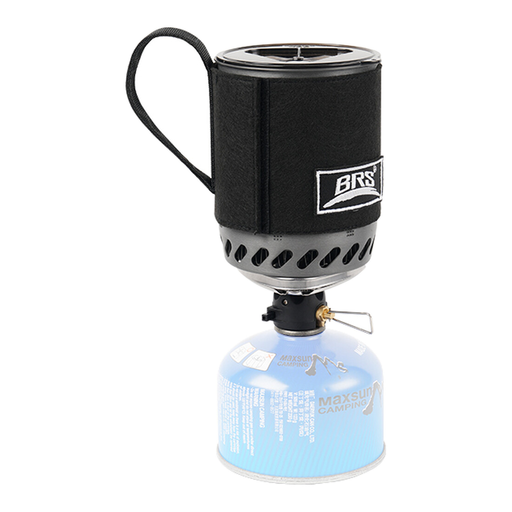
Why It Stands Out This is a complete camping cooking system designed for convenience and efficiency. The burner, 0.5L pot and lid all nest together into a single, compact unit that weighs just 0.36kg. The pressure-regulating valve allows for fine flame control, from a gentle simmer to a rolling boil. The pot's heat-insulating cloth cover is a thoughtful touch, making it safer to handle when hot.
Pros
Who is it for? Solo campers and backpackers who appreciate an organised, efficient and easy-to-pack cooking solution. It’s perfect for those who want to grab their kit and go without worrying about matching pots and burners.
If these recommendations aren't quite what you're looking for, or if you'd like to compare more models, there are many other options available. From larger stoves for family trips to specialised systems for extreme conditions, you can find a stove to suit any adventure.
Explore Our Full Range of Camping Stoves
The main differences are weight, size and features. A backpacking stove is designed to be as light and compact as possible for carrying over long distances. A general camping stove, often used for car camping, may be larger, heavier and more powerful, sometimes with multiple burners to accommodate cooking for a group.
It is very important. The UK's weather is famously unpredictable, and wind can significantly reduce a stove's efficiency, leading to longer cooking times and wasted fuel. A windproof camping stove or a separate windshield is highly recommended to ensure your stove performs reliably, especially in exposed locations like hillsides or coastal campsites.
The majority of modern portable gas stoves use self-sealing canisters filled with a blend of isobutane and propane. These canisters typically feature a standard EN 417 screw-on valve, which is a common fitting across many brands, making it easy to find compatible fuel.