
24/7 全天候客户支持

免费退货

当日/次日达

品质保障

开启新人专享福利: 全场免邮 | 低至 2 折 | 免费试用 30 天 JoyPlus 会员
下载 Joybuy
From washing up to deep cleaning the bathroom, a reliable pair of cleaning gloves is a household essential. Yet, finding a pair that doesn't rip, leak or feel uncomfortable can be a frustrating task. Many of us have been let down by gloves that promise durability but fail after a few uses. As the Joybuy Product Recommendation Officer, my role is to help you navigate the options and identify the features that truly matter, so you can find the right protection for your hands without the guesswork.
Before you buy another pair, let's look at the common pitfalls that lead to disappointment and wasted money.
To avoid these issues, focus on a few core parameters. Understanding these will help you select a pair of gloves that fits your specific needs, whether you're doing daily chores or tackling a professional task.
The material of your glove is the most important factor determining its performance, durability and suitability for different tasks.
Your choice between single-use and reusable gloves depends entirely on the task at hand.
Small details can make a big difference in how a glove performs.
Based on these practical criteria, here are a few recommendations matched to different user needs.
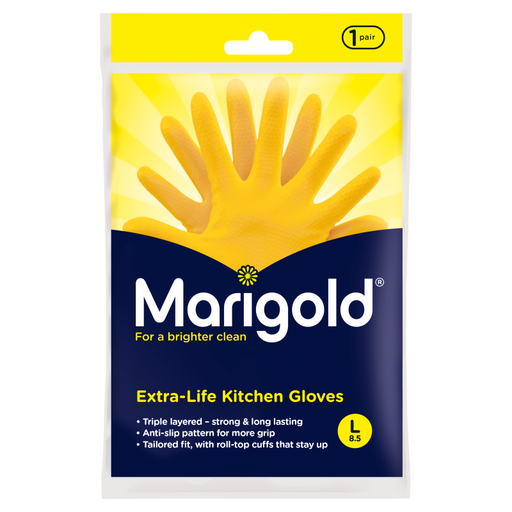
Why This Fits Their Persona: This user needs a reliable, comfortable pair of gloves for daily washing up and general cleaning. They value durability and comfort over single-use convenience.
The triple-layer construction addresses the "heavy-duty" myth with genuine durability, while the roll-top cuffs stay up to prevent the dreaded water leakage.
Features a comfortable cotton lining to absorb moisture and an anti-slip pattern for a secure grip on wet dishes.
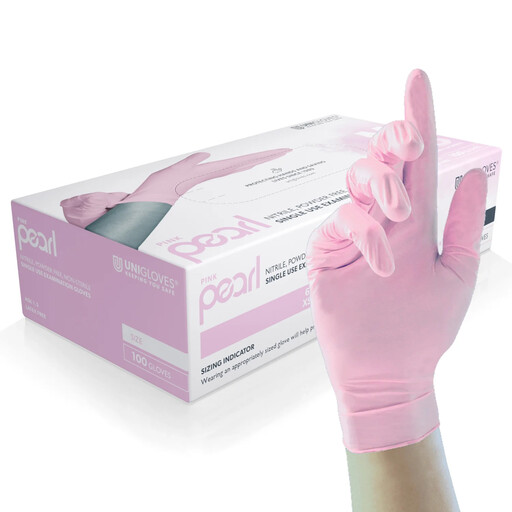
Why This Fits Their Persona: Ideal for food handlers, cleaners, tattoo artists or anyone needing single-use, hygienic hand protection. They prioritise safety, chemical resistance and avoiding cross-contamination.
This avoids the material mismatch pitfall. As food safe gloves made from nitrile, they are suitable for contact with all food types and resistant to a range of chemicals, unlike basic rubber gloves.
These are latex free and powder free, reducing the risk of allergies and skin irritation. The beaded cuff adds strength and they are even touchscreen compatible.
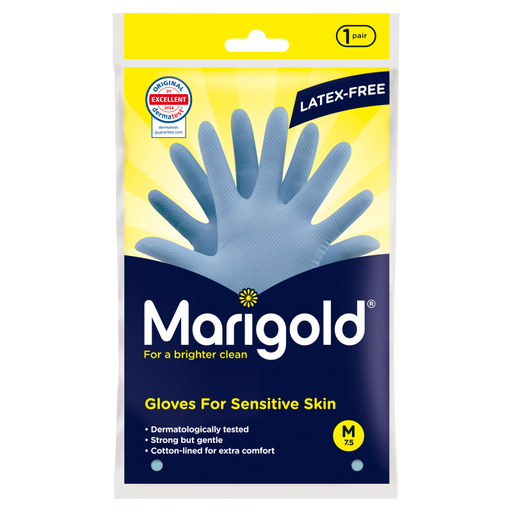
Why This Fits Their Persona: This person's priority is protecting their hands from irritation caused by detergents and warm water. They need a glove that is specifically designed to be gentle on the skin.
It directly addresses the material mismatch pitfall for sensitive users. Being latex-free and dermatologically tested, it provides a safe barrier without the risk of common latex allergies.
The soft cotton lining provides extra comfort and reduces friction, while the tailored fit and anti-slip pattern ensure they are still practical and effective for cleaning tasks.
We have compiled a complete, real-time list of products that fully satisfy these strict selection criteria and UK safety regulations.
1. Are nitrile or rubber gloves better for washing up? For washing up, traditional rubber gloves often have the edge due to their thickness, which provides better insulation against hot water. Many also have a comfortable flock lining. However, nitrile gloves are more resistant to grease and oils, are puncture-resistant and are a necessary choice if you have a latex allergy. For quick, greasy jobs, nitrile can be a good option, but for a long session at the sink, a good pair of rubber gloves is often more comfortable.
2. How can I stop my reusable cleaning gloves from developing a bad smell? A bad odour is usually caused by bacteria breeding in a damp environment. To prevent this, always rinse your gloves inside and out with clean water after use. Then, hang them up to air dry completely, ensuring air can circulate inside. Avoid leaving them in a damp pile under the sink. Storing them in a cool, dry place away from direct sunlight will also help prolong their life.
3. What does 'food safe' mean for disposable gloves? When a glove is certified as food safe, it means the materials used in its construction are non-toxic and will not transfer any harmful substances to food. These gloves have been tested to ensure they comply with regulations for items that come into contact with foodstuffs. This is a critical feature for anyone working in a kitchen, from preparing family meals to professional food handling, as it ensures hygiene and safety.