
24/7 Customer Support

Free returns

Same-day & Next-day Delivery

Quality Guaranteed

Unlock Your Welcome Offers: FREE Delivery | Up to 80% OFF | Free 30-day JoyPlus trial
Download the APP
Choosing between collagen supplements and skincare products can be confusing. Powders, capsules, gummies, effervescent tablets, serums and creams all use similar language, yet their ingredients, serving sizes and intended use can differ considerably.
For UK shoppers, the main question is not simply which product has “more collagen”. It is whether the format, source, dosage and supporting ingredients fit your routine. This guide explains the important checks to make before buying and highlights suitable options for different shopping priorities.
A large tub does not automatically provide a high daily intake. Always compare the collagen amount per serving, rather than the total product weight.
For example, the listed products vary significantly:
A lower serving may be more convenient, but shoppers should understand the difference before comparing prices.
Marine collagen powder is generally derived from fish, while bovine collagen peptides come from cattle. Neither source is automatically suitable for everyone.
Marine products may be unsuitable for people with fish allergies, and some products may also be made on premises handling crustaceans or molluscs. Bovine products are not suitable for shoppers avoiding animal-derived cattle ingredients. Check the allergen statement, source and product label before ordering.
A collagen serum, cream, toner or face mask is applied to the skin and is primarily selected for its texture, hydration and cosmetic finish. A supplement is consumed and should be assessed by its nutritional information, ingredients and dosage.
Marketing phrases such as “deep penetration”, “boosts collagen production” or “reverses ageing” should not be treated as guaranteed outcomes. Under UK advertising principles, product claims should be supported and not misleading. Look for clear, verifiable information such as ingredient lists, net content, directions and warnings.
Product pages may identify Type I, Type III or a blend. Type I is common in marine collagen products, while bovine collagen peptides may include Types I and III. Hydrolysed collagen has been broken into peptides, which makes it easier to mix into drinks or include in capsules and gummies.
The source still matters. KIKI Health Marine Collagen Beauty Blend identifies fish as an allergen and includes hyaluronic acid and naturally derived vitamin C. Bovine products such as Vital Proteins and Planet Paleo list bovine collagen peptides as their primary ingredient.
Compare the recommended daily amount in milligrams or grams. Also check whether the stated serving requires one scoop, two capsules, several gummies or multiple effervescent tablets.
A high serving can suit shoppers who want to add powder to coffee, smoothies or water. Capsules and gummies may be easier for travel, but they usually provide a smaller collagen quantity per daily serving and may contain additional ingredients such as sweeteners, flavourings or capsule materials.
Vitamin C is a common addition. In the UK, authorised nutrition wording states that vitamin C contributes to normal collagen formation, but this does not mean a supplement will produce a guaranteed cosmetic or therapeutic result.
Hyaluronic acid appears in products such as the KIKI Health marine blend, Bioglan tablets and Novomins gummies. Check the full ingredients list for sugar, sweeteners, flavourings and allergens. For skincare, review potential fragrance ingredients and consider a patch test, particularly if your skin is sensitive.
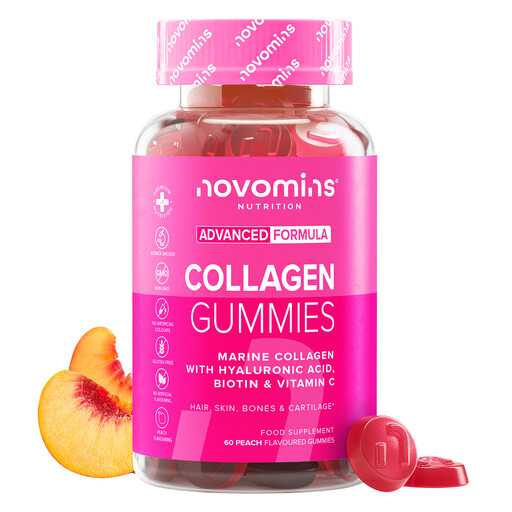
Why This Fits Their Persona: A straightforward option for adults who prefer a chewable format and do not want to measure powder or swallow capsules.
The label clearly lists a two-gummy serving and 500mg of marine collagen, making the daily amount easier to understand before purchase.
Peach-flavoured, gelatine-free gummies with hyaluronic acid, vitamin C and biotin. Contains fish.
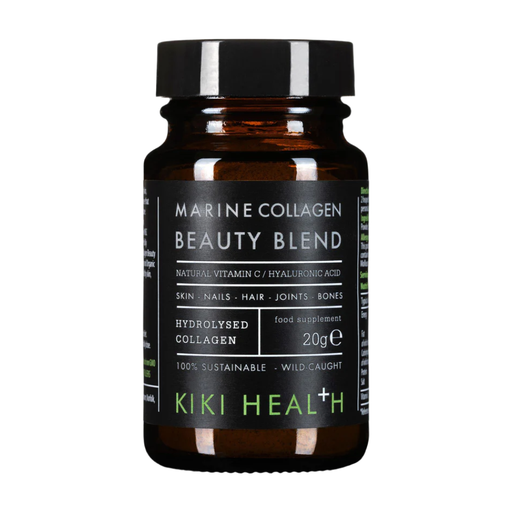
Why This Fits Their Persona: Suitable for shoppers seeking marine collagen powder with a clearly stated serving and added ingredients for a broader beauty routine.
The product specifies 7,500mg of hydrolysed marine collagen per 10g serving, rather than relying only on broad beauty wording.
Includes hyaluronic acid and natural vitamin C; free from wheat, gluten, lactose and dairy. Contains fish.
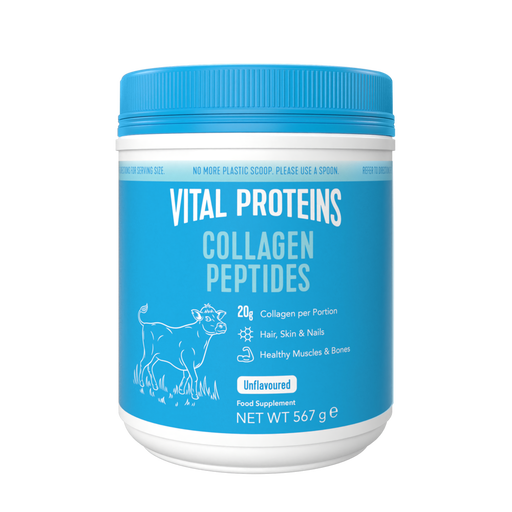
Why This Fits Their Persona: A large-format choice for adults who regularly add collagen to hot or cold drinks and want a powder for skin, hair, nails and joint support.
The serving information states 20,000mg of bovine collagen peptides, so shoppers can compare it with smaller capsule, gummy and tablet formats.
Unflavoured formula with bovine collagen peptides; designed to dissolve in 236ml of hot or cold liquid.
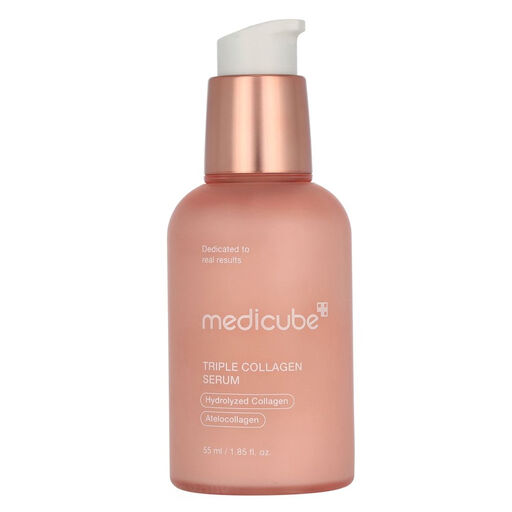
Why This Fits Their Persona: Designed for shoppers who want a topical collagen serum to add between cleansing and moisturising in a morning and evening routine.
Its ingredient list identifies hydrolysed, atelo and soluble collagen alongside several forms of hyaluronic acid, allowing a more informed comparison.
55ml size and lightweight serum texture. For external use only; the formula contains fragrance ingredients.
We have compiled a complete, real-time list of products that fully satisfy these strict selection criteria and UK safety regulations.
For supplements, follow the serving instructions on the packaging and do not combine several high-dose collagen products without checking the total intake. Food supplements should not replace a varied diet and healthy lifestyle.
For skincare, apply products in the stated order. A toner is typically used after cleansing, followed by a serum and cream. Face masks should be used according to their instructions and should not be reused after opening. Stop using a topical product if irritation develops.
Pregnant or breastfeeding shoppers, people taking medication and anyone with a medical condition should seek advice from a healthcare professional before using collagen supplements. Always check the current label, batch information, storage instructions and allergen details before consumption.
Value depends on the cost per daily serving, collagen amount and format. Powder usually provides more collagen per serving, while gummies, capsules and effervescent tablets prioritise convenience. Compare the number of servings in the pack rather than judging value by the tub or box size alone.
Divide the net quantity by the recommended daily serving. A 567g powder used at 20g per day provides approximately 28 servings, while a 60-gummy pack used at two gummies daily provides 30 servings. Actual usage should always follow the product label.
They serve different purposes: supplements provide dietary ingredients, while collagen skincare products are applied externally for cosmetic care. They may be used in the same routine, but neither should be treated as a guaranteed medical or anti-ageing treatment. Check each product’s instructions and ingredients separately.