
24/7 Customer Support

Free returns

Same-day & Next-day Delivery

Quality Guaranteed

Unlock Your Welcome Offers: FREE Delivery | Up to 80% OFF | Free 30-day JoyPlus trial
Download the APP
As a Joybuy Product Recommendation Officer, my role is to help you navigate the crowded market of everyday essentials. When it comes to something as simple as household batteries, it’s surprisingly easy to make a poor choice. A remote control that dies mid-series, a child's toy that stops working on their birthday or a smoke alarm that chirps at 3 a.m. are all familiar frustrations.
Often, the issue isn't the device, but the battery. Marketing claims can be confusing and what seems like a bargain can lead to poor performance and wasted money. Before you buy your next pack, let’s look at the common pitfalls that UK households encounter.
alkaline batteries multipack of 40 or more can seem like a fantastic deal. However, all batteries have a shelf life. If you only use a few a year, the rest may lose their charge or, worse, leak and damage your devices before you get to them. Your usage rate should always dictate your pack size.To avoid these traps, you only need to check a few key details. Focusing on these will ensure you get the right power source for your needs every time.
This is the most critical factor in matching a battery to a device.
batteries for remote controls, wall clocks, wireless mice and many children's toys. Common sizes include AA batteries and AAA batteries.Energizer lithium batteries, for example, are engineered for high-drain electronics that require a lot of power quickly. This includes digital cameras, high-performance torches and smart home devices. They also perform exceptionally well in extreme temperatures and are significantly lighter than their alkaline counterparts, making them suitable for outdoor and portable gadgets.While AA and AAA are the most common, many devices require speciality sizes. Always check the device's battery compartment or manual for the correct code.
CR2032 coin battery is not interchangeable with a CR2025, even though they look similar. These are used in car key fobs, digital scales and some medical devices.Shelf life is the length of time an unused battery can be stored and still retain most of its original charge. Most quality alkaline and lithium batteries offer a shelf life of 10 years or more. When buying a multipack, check the expiry date and consider how quickly you will use them. For items you use daily, a larger pack makes sense. For a device you only change the batteries in once a year, a smaller pack is a wiser choice.
Based on these practical considerations, here are a few options matched to different UK household needs.
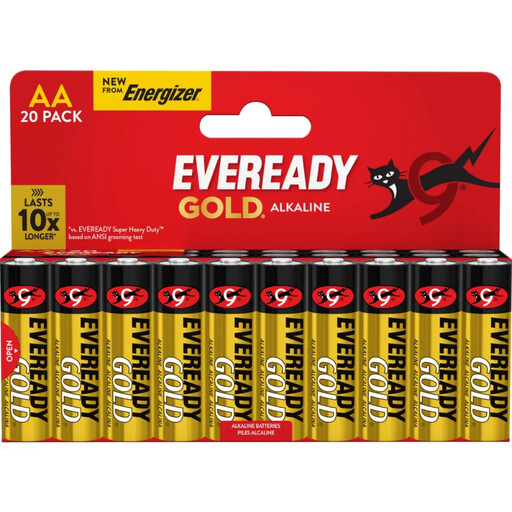
Why This Fits Their Persona: This is for the family that needs a reliable supply of AA batteries for TV remotes, clocks and children's toys without breaking the bank. It offers a balance of trusted performance and value for low-to-mid-drain devices.
This pack avoids the "Bulk-Buy Blunder" with a 10-year shelf life, ensuring the batteries remain fresh. It also uses alkaline chemistry, correctly matching the power needs of everyday, low-drain devices.
Backed by Energizer's Quality Seal for dependable power. An affordable choice from a globally recognised brand.
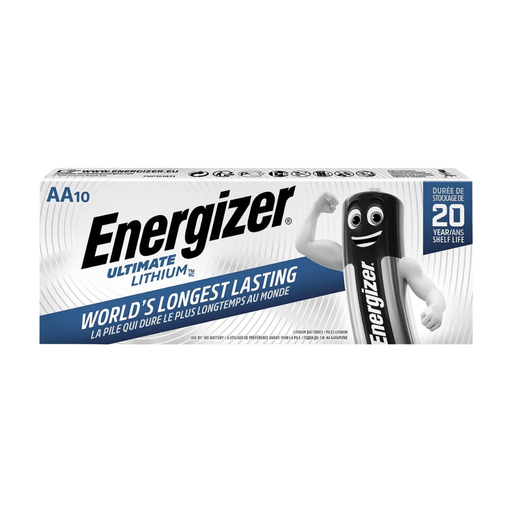
Why This Fits Their Persona: For those using power-hungry devices like digital cameras, wireless gaming controllers or smart home sensors. This user prioritises performance and reliability over initial cost.
This directly solves the "Ignoring Chemistry" pitfall by providing the correct lithium technology for high-drain gadgets. It prevents the frustration of having alkaline batteries die quickly in demanding electronics.
Provides superior performance in high-drain devices and extreme temperatures (-40°C to 60°C). Features an exceptionally long 25-year shelf life.
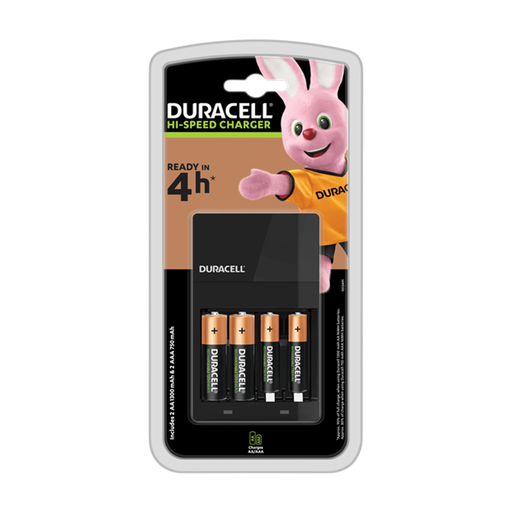
Why This Fits Their Persona: Ideal for anyone who frequently replaces batteries in items like game controllers, baby monitors or wireless keyboards and wants to reduce both long-term cost and environmental waste.
This kit sidesteps the single-use battery cycle entirely. It's an investment that avoids the recurring cost and waste of disposable batteries, making it a smart long-term financial and environmental choice.
A complete rechargeable batteries with charger kit. Reduces waste and offers significant cost savings over time for high-usage scenarios.
We have compiled a complete, real-time list of products that fully satisfy these strict selection criteria and UK safety regulations.
The lifespan of a battery depends entirely on the device it's powering. An alkaline AA battery might last over a year in a TV remote but only a few hours in a power-hungry toy. This is the difference between "shelf life" (how long it lasts in storage) and "service life" (how long it lasts in use). For long-lasting batteries UK consumers should match the battery chemistry (alkaline for low-drain, lithium for high-drain) to their device for optimal service life.
For frequently used, high-drain devices like gaming controllers, wireless mice or digital cameras, the answer is a clear yes. While the initial cost of rechargeable batteries with charger is higher, they can be recharged hundreds of times, leading to significant savings and less waste over their lifespan. For low-drain devices like smoke alarms or emergency torches, single-use lithium or alkaline batteries with a long shelf life are often more practical.
It is strongly advised not to. When you mix batteries, the older or weaker one drains faster and can cause the new one to over-discharge. This can lead to leakage, which may permanently damage your electronic device. For stable performance and safety, always replace all batteries in a device at the same time with new ones of the same type and brand.