
24/7 全天候客户支持

免费退货

当日/次日达

品质保障

开启新人专享福利: 全场免邮 | 低至 2 折 | 免费试用 30 天 JoyPlus 会员
下载 Joybuy
Marine collagen powder can be an easy addition to a daily routine, whether you want a neutral powder for coffee or smoothies, a flavoured collagen drink powder or individual sachets for work and travel. However, attractive packaging and large milligram figures do not always make products easy to compare.
The main buying challenge is separating useful specifications from vague beauty marketing. Before choosing a collagen supplement powder, check the actual collagen amount per serving, the source of the fish, the full ingredient list and whether the format suits how you live.
A 360g tub may contain flavourings, vitamin C, sweeteners and other ingredients, so the pack size alone does not show how much collagen you receive. Compare the collagen peptides per stated serving, not just the total weight of the pouch.
Also check the serving size. A product providing 5,000mg per 5g scoop and one providing 10,000mg per 12g sachet cannot be compared fairly without calculating the daily portion and number of servings.
Hyaluronic acid, biotin and vitamin C are common in beauty collagen powder formulas. Their inclusion may suit shoppers who want a broader ingredient list, but it does not guarantee visible changes to skin, hair or nails.
Vitamin C has an authorised nutrition function: it contributes to normal collagen formation. That wording is different from claiming that a supplement removes wrinkles, reverses ageing or treats a condition. A food supplement should complement a varied diet and healthy lifestyle rather than replace either.
All marine collagen is derived from aquatic sources, so it is unsuitable for people with a fish allergy unless a qualified healthcare professional advises otherwise. Some products are made in facilities that also handle crustaceans, molluscs, milk, soya, egg or gluten-containing cereals.
Always read the packaging supplied with your order. Ingredient lists, allergen statements and directions can change, and online descriptions may not reflect the latest label.
Most beauty-oriented marine products use Type I collagen, commonly associated with skin, bones and connective tissues. Hydrolysed marine collagen or collagen peptides powder has been broken down into smaller peptides, making it easier to mix into drinks than a conventional gelatine-style product.
Look for a clear figure such as “5,000mg collagen per serving” rather than relying on terms such as high strength or beauty support. A sensible comparison checklist includes:
If sourcing matters to you, check whether the product specifies wild-caught fish, the species used and where the raw material comes from. For example, some formulas use wild Atlantic cod, while others describe fish sourcing more generally.
“Sustainably sourced” should be supported by information on the product page or packaging, such as a named fishery or certification. Do not assume that every marine collagen product has identical sourcing standards.
An unflavoured collagen powder is flexible for water, porridge, yoghurt, juice or smoothies, but it may not suit people who dislike the natural taste of fish-derived ingredients. A flavoured option can be more enjoyable as a daily drink, although you should check sweeteners, acids and flavourings.
For dietary preferences, verify specific claims such as gluten-free, lactose-free, dairy-free, soya-free or free from artificial colours. These claims apply to the individual product and should not be inferred from the word “marine”.
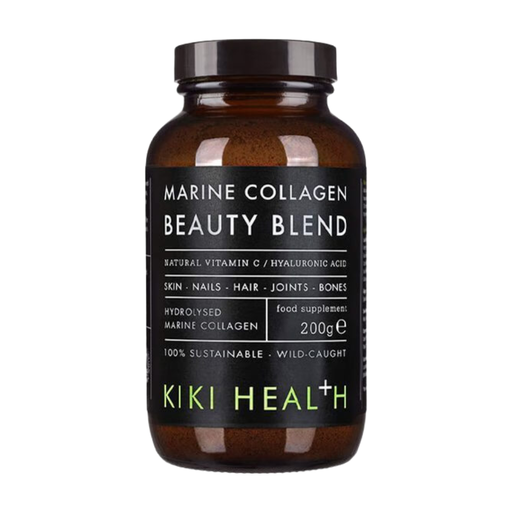
Why This Fits Their Persona: A straightforward starting point for UK shoppers who want an unflavoured powder and a clearly stated 5g daily scoop.
The product lists hydrolysed marine collagen and 5,000mg per serving, making the daily amount easier to assess than a pack-size-only claim.
Unflavoured; includes vitamin C; free from gluten, dairy, soya, artificial colours, flavours, preservatives and sweeteners.
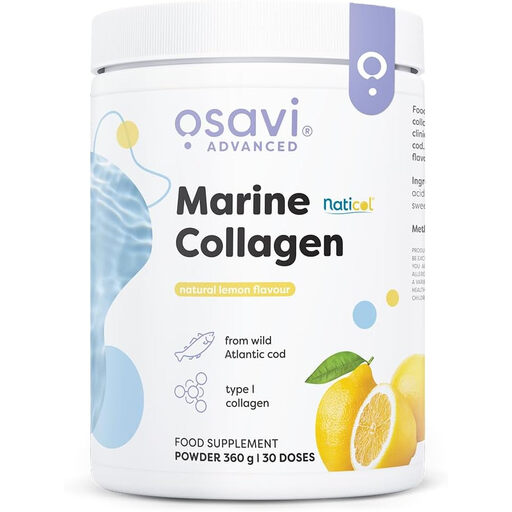
Why This Fits Their Persona: Suitable for shoppers who value a larger tub, wild Atlantic cod sourcing and a prepared lemon drink.
It states a 12g serving, 9.5g protein and 360g pack size, helping you estimate portions instead of judging by marketing language alone.
Contains vitamin C; natural lemon flavour; supplied with a measuring scoop; gluten-free, lactose-free and soya-free.
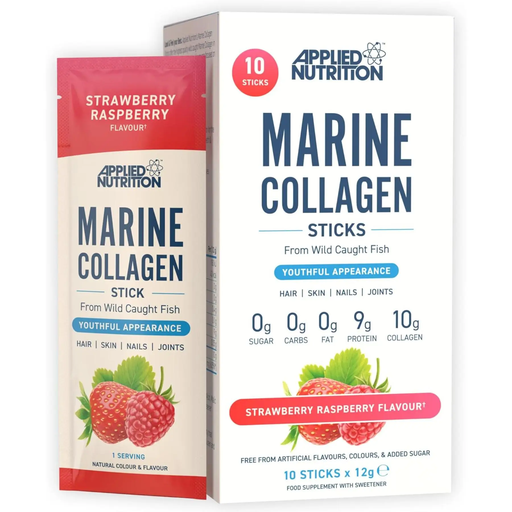
Why This Fits Their Persona: Individual sachets suit commuters, gym users and anyone who wants a measured collagen drink without carrying a tub.
Each sachet clearly provides 10,000mg marine collagen, removing the need to measure loose powder when travelling or using a workplace kitchen.
Strawberry and raspberry flavour; 500mg vitamin C per sachet; mixes with 200–300ml hot or cold liquid.
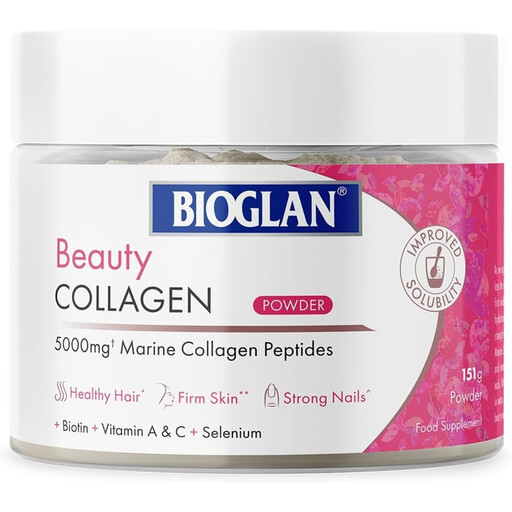
Why This Fits Their Persona: A multi-nutrient option for adults who prefer collagen alongside hyaluronic acid, vitamin C, biotin, selenium and vitamin A.
The label provides separate quantities for its 5g serving, including 4,959mg marine collagen and 10mg hyaluronic acid, so the blend is easier to evaluate.
Odourless and tasteless powder; mixes with drinks and foods; includes several named nutrients in one formula.
We have compiled a complete, real-time list of products that fully satisfy these strict selection criteria and UK safety regulations.
Follow the manufacturer’s stated serving rather than increasing the dose because a product promises faster results. Powders can usually be mixed into water, juice, smoothies or hot drinks, but check the label for temperature guidance and solubility instructions.
Store the container tightly closed in a cool, dry place away from direct sunlight and bathroom humidity. A collagen powder does not have a fixed universal lifespan after opening: use the best-before information and storage instructions on the pack, and avoid using it if the powder has changed noticeably in smell, colour or texture.
No. Marine collagen contains fish-derived ingredients. Anyone with a known fish allergy should avoid it and check whether the manufacturing site handles crustaceans or molluscs. If you are pregnant, breastfeeding, taking medication or managing a medical condition, seek advice from a healthcare professional before use.
Many products can be added to hot or cold drinks, smoothies, yoghurt or porridge. Check the individual directions, as some formulas advise avoiding very high temperatures. An unflavoured collagen powder generally offers more flexibility, while flavoured collagen drink powder may be more convenient with water.