
24/7 Customer Support

Free returns

Same-day & Next-day Delivery

Quality Guaranteed

Unlock Your Welcome Offers: FREE Delivery | Up to 80% OFF | Free 30-day JoyPlus trial
Download the APP
A non-slip yoga mat should keep you steady without becoming uncomfortable, difficult to clean or unsuitable for your preferred workout. Yet many UK shoppers focus on colour, thickness or phrases such as “extra grip” without checking the details that affect everyday use.
Three common buying traps are worth avoiding:
The right choice depends on how you train, where you use the mat and how much cushioning you actually need.
Thickness affects comfort, stability and portability. A 5mm cork yoga mat is a practical middle-ground option for yoga, stretching and Pilates. It can offer cushioning while remaining close enough to the floor for balance-focused movements.
A 6mm printed yoga mat adds a little more padding for floor workouts, ab exercises and general home fitness. A 6mm mat may suit users who want one surface for yoga and Pilates as well as occasional gym floor workout mat use.
A 7mm memory foam yoga mat or other thick cushioned exercise mat may appeal to users who prioritise support during kneeling, stretching or floor-based workouts. However, thicker materials may take up more storage space and can feel less firm during standing poses. Check whether the product description identifies the actual material: the Capelli Sport listing specifies PVC, despite “memory foam” appearing in the product name.
Grip should be assessed alongside the type of exercise you perform. An embossed PVC yoga mat can provide a textured surface that feels secure during dry workouts. However, the 6mm printed mat’s care information warns that the surface may become slippery when wet or when sweat accumulates.
For heated sessions, look for a sweat-resistant yoga mat with a surface suited to moisture. Cork can become softer and grippier when slightly damp, according to the supplied product description. It is still sensible to use a towel, wipe the mat after class and avoid assuming that any cork mat will remain slip-free under heavy perspiration.
A hot yoga mat should also be easy to clean and quick enough to dry between sessions. Never roll a damp mat away for storage, as trapped moisture can affect odour and surface condition.
Common materials include PVC yoga mats and TPE yoga mats. PVC is widely used for cushioned, textured exercise surfaces and is generally simple to wipe clean. TPE is often used as a flexible backing material, including in the cork-and-TPE design below.
Natural cork may appeal to shoppers who prefer its feel and appearance, but avoid treating “eco-friendly” wording as proof of certification. The supplied cork mat information does not state a specific environmental certification.
For size, a width of around 24 inches suits many home users, while a length of around 183cm or 72 inches gives taller users more room. Always compare the title, dimensions and images before ordering. Place the mat on a clean, dry and level surface, and discontinue use if it develops significant damage.
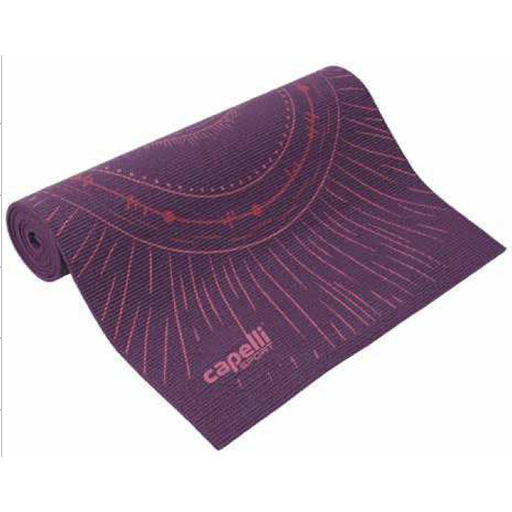
Why This Fits Their Persona: A versatile option for beginners building a home routine across yoga, Pilates, stretching and floor exercises. The full-print design also gives shoppers a choice beyond plain-colour mats.
Its embossed surface and stated 6mm thickness provide clear specifications rather than relying only on vague grip wording. Check the listed length carefully, as the title and specification differ.
PVC construction; embossed cushioned surface; wipes clean with a damp cloth and mild soap.

Why This Fits Their Persona: Suitable for shoppers who want a cork surface and a mat sized for yoga, Pilates, stretching and heated classes. The 61 x 183cm format is suitable for many home and studio routines.
The cork-and-TPE construction is clearly stated, while the moisture-related description gives more useful context than a simple “non-slip” label. Environmental certification is not specified, so do not assume one.
5mm thickness; natural cork top; TPE base; designed for yoga, workouts and hot yoga use.
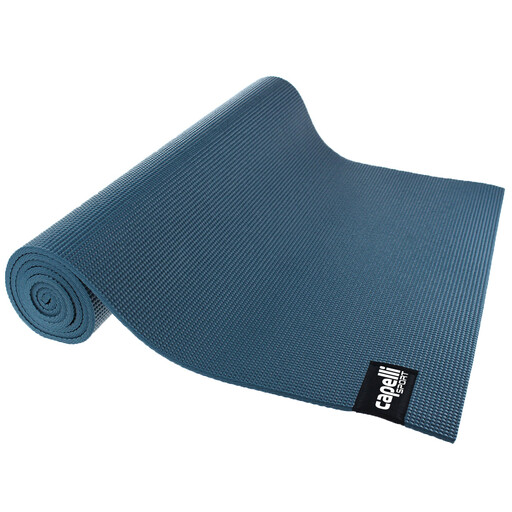
Why This Fits Their Persona: A practical match for users who put cushioning first, including frequent floor workouts, kneeling movements, Pilates and home fitness sessions.
The listing states both the 7mm thickness and non-slip coating, helping buyers compare cushioning and grip separately. Its PVC material is also identified in the description.
7mm padded support; 61 x 183cm size; suitable for yoga, Pilates, floor workouts and gym use.
We have compiled a complete, real-time list of products that fully satisfy these strict selection criteria and UK safety regulations.
For general yoga and Pilates, 5mm to 6mm offers a balance between cushioning and floor contact. Choose 7mm when joint comfort during floor exercises is more important than compact storage or firm balance support.
You can use a suitable mat for heated sessions, but check its surface and care instructions first. Sweat can reduce traction, including on embossed surfaces. A cork mat may suit users seeking a moisture-conscious surface, while a towel and regular cleaning can help manage perspiration.
Lifespan depends on frequency of use, body weight, cleaning and storage. A mat used several times each week may show wear sooner than one used occasionally. Regularly inspect the surface, edges and cushioning rather than relying on a fixed replacement timetable.