
24/7 全天候客户支持

免费退货

当日/次日达

品质保障

开启新人专享福利: 全场免邮 | 低至 2 折 | 免费试用 30 天 JoyPlus 会员
下载 Joybuy
Finding a reliable yoga mat can feel like a challenge. Whether you're flowing through a vinyasa sequence or holding a plank during a home workout, the last thing you want is a mat that slips, bunches or offers little to no cushioning for your joints. A good mat is the foundation of your practice, providing the stability and comfort needed to focus on your form, not on your equipment.
As a Joybuy Product Recommendation Officer, my role is to help you navigate the market. This guide cuts through the clutter to focus on what truly matters: material, thickness and grip. We will explore some practical considerations to help you find a mat that suits your specific needs, whether you're a yoga beginner, a Pilates enthusiast or someone looking for a dependable home workout mat.
Before looking at specific products, it's helpful to understand the key features that differentiate one mat from another. Considering these three points will help you make a more informed decision.
The material of a yoga mat directly impacts its grip, durability and feel.
eco-friendly yoga mat made from cork offers a unique set of benefits. Cork is naturally antimicrobial and provides excellent grip, which often improves with a little moisture. This makes it a strong contender for hot yoga or for those who tend to sweat during their practice.The thickness of a mat, measured in millimetres (mm), determines its level of cushioning.
Pilates mat or for floor-based core exercises.thick exercise mat of 7mm or more offers substantial cushioning. This is ideal for restorative yoga, Pilates or general fitness routines where you spend a lot of time on your back, knees or elbows. The trade-off can sometimes be a slight reduction in stability for standing balance poses.A non-slip yoga mat is essential for safety and performance. A textured or embossed surface provides the grip needed to hold poses confidently without your hands or feet sliding. The material itself also plays a role; for instance, the natural texture of cork and the composition of high-grade PVC are both designed to offer reliable traction.
Based on these key features, we've selected a few standout options that cater to different needs and preferences.
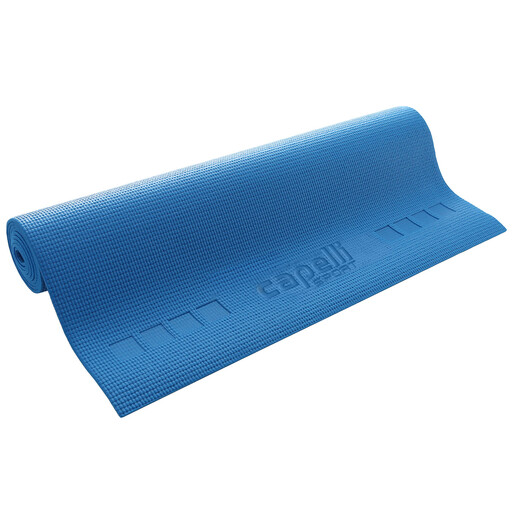
Why It Stands Out: This mat is a versatile workhorse. Made from durable PVC, its embossed surface is engineered to provide stability across various exercises. It strikes a great balance between being lightweight enough for transport and cushioned enough for comfort.
gym floor mat for a mix of fitness activities.
Why It Stands Out: This mat combines a natural cork top with an eco-friendly TPE base. The cork surface is notable for its performance in heated conditions; as it becomes slightly damp, its grip actually improves. It's also naturally moisture- and odour-resistant.
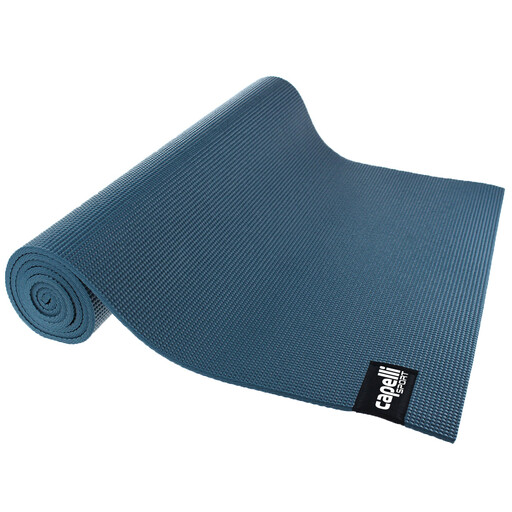
Why It Stands Out: With a generous 7mm thickness, this cushioned yoga mat is designed with comfort as a priority. The memory foam-like PVC provides substantial support for joints, making it an excellent choice for floor-based exercises and restorative practices.
The right mat is a personal choice, and our recommendations cover some of the most popular needs. However, if you're looking for a mat with enhanced durability for high-intensity workouts or specific surface requirements, you may find other suitable choices.
Explore our full range of durable exercise mats to find the perfect foundation for your fitness routine. [Browse our collection of Scratch-Resistant Mats](https://www.joybuy.co.uk/explore/hardfloor-protective-mat/y8FfdTnL)
Ensure your mat is on a clean, dry floor. For new PVC mats, wiping them down with a mild soap and water solution before first use can help remove any initial film and improve grip. For materials like cork, a light spritz of water can enhance traction.
For a general home workout mat, a thickness between 5mm and 7mm is often a good choice. This provides enough cushioning for sit-ups, planks and other floor exercises without compromising stability too much for standing movements. If your workouts are exclusively floor-based, a thicker mat will offer more comfort.
Most PVC and TPE mats can be wiped clean with a damp cloth and a solution of water and mild soap. Avoid harsh chemicals. For cork mats, a simple wipe-down with water is usually sufficient. Always allow your mat to air dry completely before rolling it up to prevent moisture build-up. Avoid prolonged exposure to direct sunlight, as this can degrade the material over time.