
24/7 全天候客户支持

免费退货

当日/次日达

品质保障

开启新人专享福利: 全场免邮 | 低至 2 折 | 免费试用 30 天 JoyPlus 会员
下载 Joybuy
Visible pores, excess shine and blackheads can make skin look less even, particularly around the nose, cheeks and T-zone. However, choosing pore tightening skincare based only on phrases such as “instant pore tightening” can lead to wasted money or irritated skin.
Pores cannot be permanently closed or erased with cosmetics. The most realistic goal is to reduce their visible appearance by managing oil, removing surface build-up, supporting hydration and smoothing uneven texture.
A product may make skin look smoother immediately because it hydrates the surface or leaves a soft-focus finish. This effect is not the same as permanently changing pore size. Look for ingredients and usage instructions that match your concern, such as salicylic acid for oily, congested skin or moisturising ingredients for dehydration-related texture.
Pore minimising products often contain AHAs, BHAs, PHAs or salicylic acid. Combining an exfoliating toner, acid pads, scrub and clay mask in the same routine can cause dryness, redness or discomfort. More active products do not automatically mean better results.
Introduce one exfoliating product at a time, follow the label instructions and apply sunscreen during the day. This is especially important when using products containing AHA or BHA.
A tight feeling after washing can be mistaken for cleanliness. In practice, a cleanser that feels stripping may be unsuitable for regular use, particularly if your skin is sensitive or combination-dry. A pore-cleansing product should remove excess oil and daily residue without encouraging an uncomfortable cycle of over-cleansing and dryness.
For oily or combination skin with blackheads and clogged pores, salicylic acid is a commonly used BHA that helps exfoliate within oil-prone areas. The Korres toner contains 2% salicylic acid, while Medicube Zero Pore Pads 2.0 combine AHA and BHA ingredients.
If your skin is sensitive or easily unsettled, a PHA-based option may be more suitable to consider. Medicube Zero Pore Pad Mild uses gluconolactone, a PHA, alongside panthenol, allantoin and hyaluronic acid. Always patch test and reduce frequency if irritation occurs.
Usage instructions are an important specification. A pore mask may be designed for once or twice weekly use, while an ampoule may be applied every few days. For example, the Skin 1004 clay stick mask recommends leaving the product on for three to five minutes, whereas the Medicube Exosome Shot ampoules recommend use every three days.
Do not leave clay masks on until the skin feels excessively tight, and do not use exfoliating products more frequently than directed.
Oil control should not be the only selection factor. Ingredients such as glycerin, panthenol, betaine, centella asiatica and hyaluronic acid can help a routine feel more comfortable after cleansing or exfoliation.
Also check the ingredient list for potential personal triggers, including fragrance, essential oils, alcohol or exfoliating acids. Products described as Korean pore care may use several botanical extracts, but “natural” does not automatically mean suitable for every skin type.
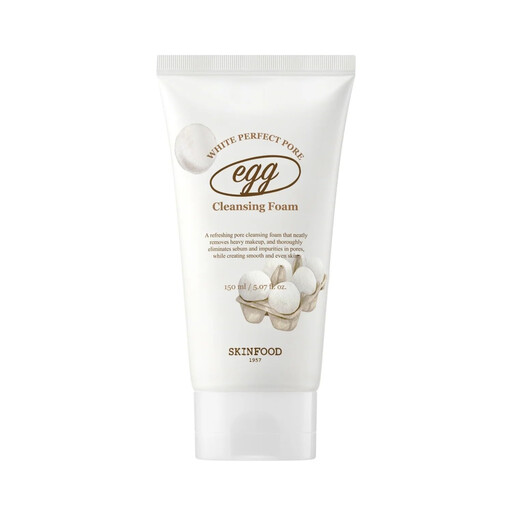
Why This Fits Their Persona: A straightforward daily cleanser for shoppers starting a pore care routine and wanting a generous 150ml format for morning or evening use.
It is a rinse-off step rather than a leave-on acid treatment, helping beginners avoid immediately layering several strong exfoliants.
Fine foaming texture; contains salicylic acid, glycerin, centella and plant oils.
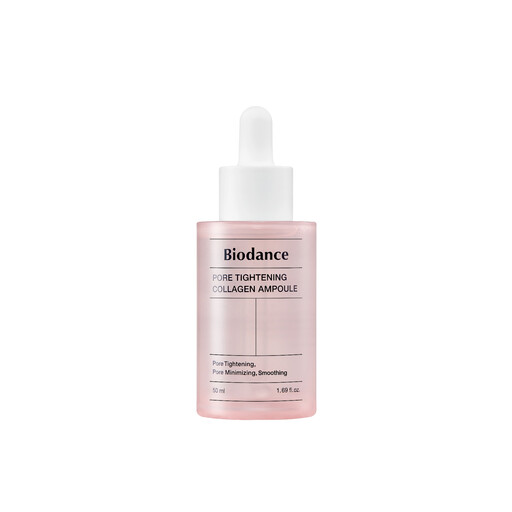
Why This Fits Their Persona: Suits combination-skin users who want a lightweight treatment that can be layered under moisturiser or make-up in a typical UK routine.
The product information clearly identifies its lightweight, quick-absorbing format rather than relying only on an instant-finish promise.
50ml ampoule; includes collagen extract, niacinamide, panthenol and multiple forms of hyaluronic acid.
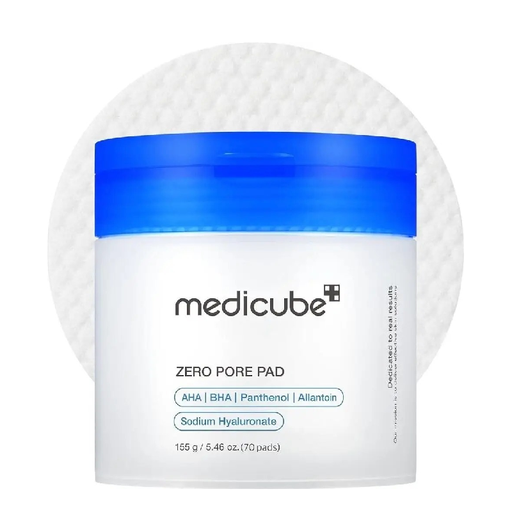
Why This Fits Their Persona: A practical option for users who prefer a ready-to-use pad after cleansing, especially when managing regular oiliness around the T-zone.
The dual-textured pad provides a defined application method, while the closed container helps prevent individual pads drying out.
70 pads; contains AHA, BHA, panthenol, betaine and allantoin for exfoliating and conditioning care.
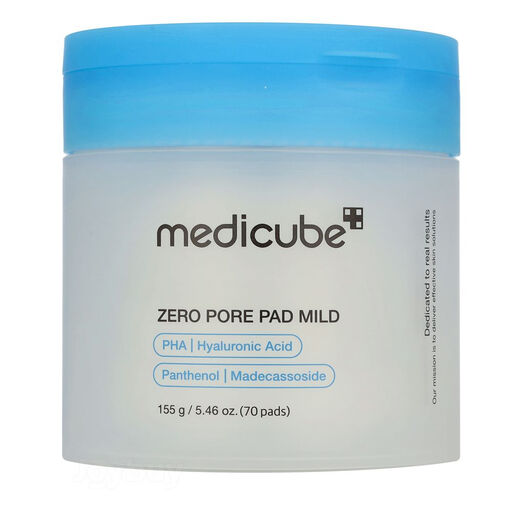
Why This Fits Their Persona: Designed for shoppers who want a gentler pore-refining step and prefer measured pads over stronger acid combinations.
It uses PHA rather than the AHA-and-BHA combination found in stronger pore pads, with instructions to moisturise and use SPF afterwards.
70 pads; includes gluconolactone, panthenol, allantoin, centella asiatica and sodium hyaluronate.
We have compiled a complete, real-time list of products that fully satisfy these strict selection criteria and UK safety regulations.
A simple routine is easier to maintain than a shelf full of overlapping products:
For a clay-based option, the Skin 1004 Madagascar Centella Pore-Targeting Quick Clay Stick Mask contains kaolin, bentonite and centella asiatica, and is designed for a short three-to-five-minute application. A stick format can also reduce mess compared with loose masks.
No. Cosmetic products cannot permanently close pores. They may help reduce their visible appearance by managing excess sebum, loosening surface build-up, improving hydration or smoothing texture. Consistent use is generally more realistic than expecting an immediate permanent change.
Follow the product directions and start cautiously. A toner containing 2% salicylic acid may initially be used every other day, while sensitive skin may need less frequent application. Do not use it alongside multiple acid products until you know how your skin responds, and apply sunscreen during the day.
It can be useful as an occasional step for areas prone to shine, such as the forehead, nose and chin. Apply clay mainly where needed, avoid letting it become excessively dry and follow with moisturiser. Stop using the mask if persistent redness, swelling, itching or stinging occurs.