
24/7 Customer Support

Free returns

Same-day & Next-day Delivery

Quality Guaranteed

Unlock Your Welcome Offers: FREE Delivery | Up to 80% OFF | Free 30-day JoyPlus trial
Download the APP
Soy sauce is a cornerstone of countless kitchens, lending a deep, savoury umami flavour to everything from stir-fries to marinades. As more of us become mindful of our sodium intake, the demand for reduced salt soy sauce has grown. However, navigating the options can be tricky. Labels can be confusing, and a "healthier" choice isn't always as straightforward as it seems. This guide will help you understand what to look for and how to avoid common pitfalls when selecting a low salt soy sauce.
Before adding a bottle to your basket, be aware of a few common issues that can lead to a disappointing or unsuitable purchase.
healthy soy sauce, you might be swapping one concern for another.reduced salt light soy sauce to be sure.To make an informed choice, focus on these two non-negotiable details on the product label.
This is the single most important figure. Ignore the marketing claims on the front and go straight to the nutritional information on the back. Compare the value for Salt per 100ml.
By comparing this absolute value, you can accurately judge which product truly fits your dietary needs, regardless of percentage claims.
The quality and character of a soy sauce are defined by its ingredients and how it's made.
gluten free low sodium soy sauce. These are often brewed with rice instead of wheat. Always look for a clear "gluten-free" certification on the label.To help you find the right fit, we've matched some excellent less salt soy sauce options to different household needs and preferences.
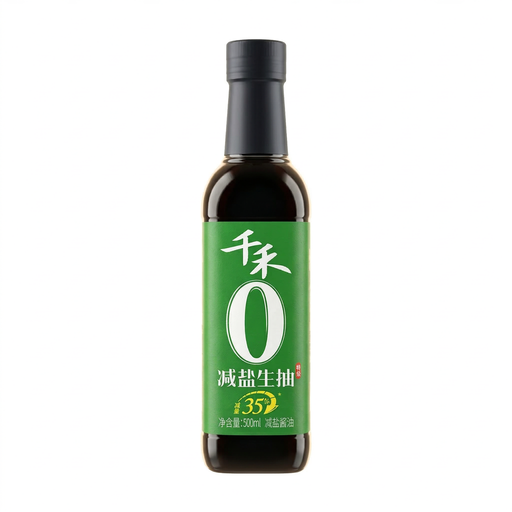
Why This Fits Their Persona: This is an excellent all-rounder for families seeking a genuinely lower-sodium option for daily cooking. It's versatile enough for stir-frying, dipping and seasoning, without overwhelming dishes with salt.
It avoids the additive trap with a clean, simple ingredient list: just water, non-GMO soybeans, wheat and salt. There are no added flavour enhancers or preservatives.
Its primary advantage is the exceptionally low absolute salt content of just 7.5g per 100g, one of the lowest available. It delivers authentic umami flavour from traditional brewing.
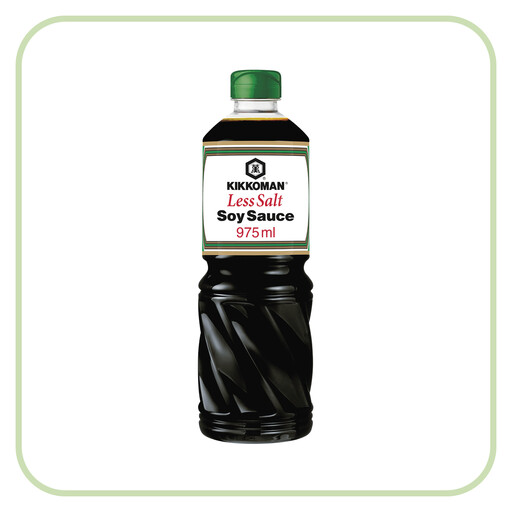
Why This Fits Their Persona: For those who prioritise authentic flavour from a trusted name in Japanese brewing. This `Kikkoman less salt` option delivers the brand's signature rich, complex taste with a significantly reduced sodium profile. The large bottle makes it a kitchen staple.
It relies on its time-honoured natural brewing process, not additives, for flavour. The ingredient list is clean and traditional: water, soybeans, wheat and salt. It proves that lower salt doesn't have to mean compromised quality.
It achieves a great balance between flavour and health, with a salt content of 9.0g per 100ml. This provides a noticeable sodium reduction while retaining the authentic, savoury depth Kikkoman is known for.
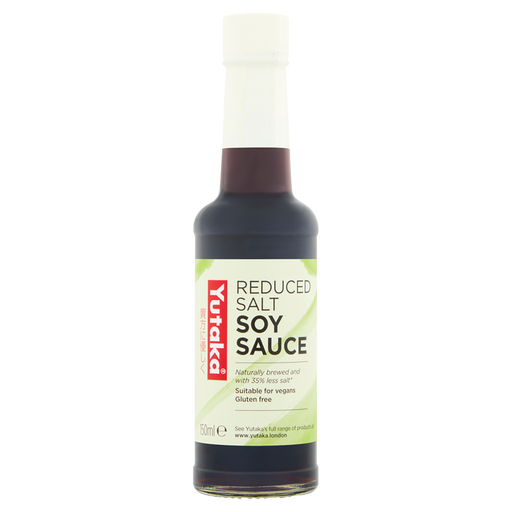
Why This Fits Their Persona: This is the ideal choice for anyone needing a certified gluten-free option without sacrificing authentic soy sauce flavour. It's perfect for safely seasoning dishes, making dipping sauces for sushi, or creating marinades for those with coeliac disease or gluten sensitivity.
It addresses a specific dietary need directly. By using rice instead of wheat in the brewing process, it provides a safe `gluten free low sodium soy sauce` that still delivers a rich, savoury taste, avoiding the pitfall of weak flavour in specialist products.
It is Certified Gluten-Free, offering peace of mind. The salt content is a moderate 11.4g per 100ml, providing a 38% reduction in sodium while maintaining a robust flavour profile suitable for all types of cooking.
We have compiled a complete, real-time list of products that fully satisfy these strict selection criteria and UK safety regulations.
A healthy soy sauce is one that fits your personal dietary goals. A reduced salt version can be a healthier choice if you are actively trying to lower your sodium intake. However, it's crucial to look beyond the "reduced salt" claim. The healthiest options will have a low absolute salt content (check the salt per 100ml), a short ingredient list and no unnecessary additives like excessive sugar or flavour enhancers.
There is no single legal standard in the UK for what constitutes "low sodium" in soy sauce. The reduction percentage on the label is relative to the brand's own regular product. This is why it is essential to ignore the percentages and instead compare the nutritional information directly between different brands to see which one is genuinely lower in salt.
Yes, in almost all cases, you can use it as a direct 1:1 replacement for regular soy sauce in your recipes. Whether for marinades, stir-fries or dipping sauces, it will perform the same function. You may find the flavour slightly milder, which can be an advantage as it allows the taste of your other ingredients to come through more clearly.