
24/7 Customer Support

Free returns

Same-day & Next-day Delivery

Quality Guaranteed

Unlock Your Welcome Offers: FREE Delivery | Up to 80% OFF | Free 30-day JoyPlus trial
Download the APP
Living in the UK means accepting that rain is a near-constant companion. A reliable waterproof jacket isn't a luxury; it's an essential piece of kit for everything from the daily commute to a weekend ramble in the Peak District. Yet, the market is flooded with options, and it's easy to make a costly mistake. Many jackets promise complete protection but leave you damp and disappointed after the first real downpour.
Before you spend your hard-earned money, it's crucial to understand the common pitfalls. Many shoppers are caught out by:
To avoid these issues, you need to look past the marketing slogans and focus on a few key technical specifications. Understanding these will help you select a high-performing outdoor jacket that truly meets your needs.
The single most important measure of a jacket's ability to withstand rain is its Hydrostatic Head (HH) rating, measured in millimetres (mm). This number indicates how much water pressure the fabric can endure before it starts to leak.
hiking jacket. This level of protection is ideal for hillwalking and trekking, where you might be exposed to persistent rain for several hours.Equally important are fully taped seams. This means a waterproof tape has been applied over every stitch line inside the jacket, preventing water from seeping through the tiny holes made by the sewing needle.
A truly functional jacket must let moisture escape from the inside. This is measured by the Moisture Vapour Transmission Rate (MVTR), in grams per square metre per 24 hours (g/m?/24h). A higher number means the fabric is more breathable.
breathable rain jacket intended for hiking and other moderate-intensity activities.Many jackets also feature physical ventilation, such as underarm zips (pit zips), which allow you to quickly dump excess heat without taking your jacket off.
The type of jacket also determines its use. A hard shell jacket is a non-insulated, fully waterproof outer layer designed for maximum protection against wind and rain. It's meant to be layered over insulating mid-layers like a fleece.
For ultimate versatility, a 3-in-1 jacket is an excellent choice. This system combines a waterproof outer shell with a removable inner fleece or insulated jacket. You can wear the shell alone in the rain, the liner alone on a cool, dry day or zip them together for a warm and waterproof windproof coat in the depths of winter.
To help you navigate the options, we've matched some products to common user needs, focusing on how they address the key challenges of finding a reliable jacket.
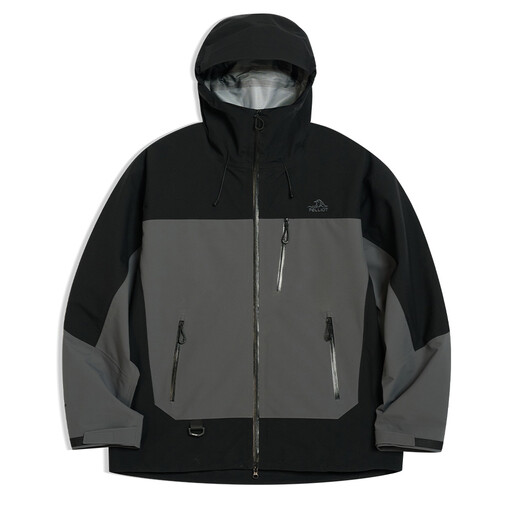
Why This Fits Their Persona: This jacket is ideal for navigating unpredictable city weather. It offers reliable protection for the commute to work or weekend errands without the overly technical look of a mountain-specific jacket. The colour-blocked styling is smart enough for urban environments.
It is built with storm-proof waterproof technology, moving far beyond simple "water-resistance". Its high breathability also prevents the clammy, "boil-in-the-bag" feeling during a brisk walk to the station.
Features a durable, abrasion-resistant fabric that handles daily wear and tear. Its windproof construction provides excellent protection against chilly gusts on exposed train platforms or city streets.
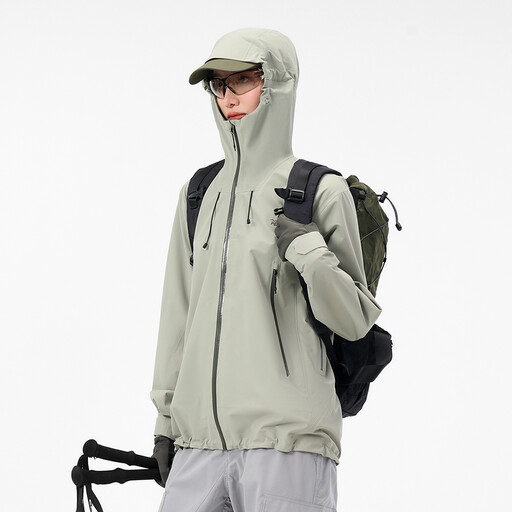
Why This Fits Their Persona: For those who spend their weekends on the trails, performance is non-negotiable. This Pro version hard shell is engineered for more demanding environments, offering enhanced protection and features tailored for active use in the hills.
It directly addresses the "boil-in-the-bag" problem with extended underarm zippers for rapid ventilation during steep ascents. The enhanced waterproof and breathable fabric ensures you stay dry from both rain and sweat.
Includes a RECCO avalanche rescue reflector, a valuable safety feature for backcountry exploration. The lighter, more elastic fabric allows for greater freedom of movement when scrambling over rocks or using walking poles.
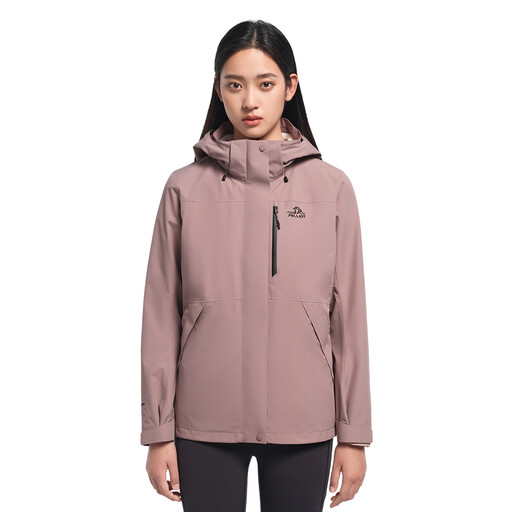
Why This Fits Their Persona: This is for the person who needs one jacket to do it all, year-round. The 3-in-1 design provides exceptional value and adaptability, perfect for overnight camping trips, mountain trekking and daily use across all four seasons. This is a great example of a `women's waterproof jacket` that prioritises versatility.
It provides verifiable performance metrics, including a storm-proof **35,900mm H?O** waterproof rating and an excellent **16,000g/m?/24h** breathability rating, ensuring it performs as advertised in harsh conditions.
The smart 3-in-1 system offers three distinct wearing options. The inner liner features thermal-lock technology for lasting warmth and an anti-static treatment, a thoughtful detail for winter comfort.
We have compiled a complete, real-time list of products that fully satisfy these strict selection criteria and UK safety regulations.
To maintain its performance, you should clean your jacket regularly. Close all zips and wash it on a gentle, cool cycle using a specialised technical wash, not standard detergent, which can clog the breathable membrane. Do not use fabric softener. The water-repellent finish on the outside (DWR) will wear off over time, but you can easily reapply it with a spray-on or wash-in proofer.
A hard shell jacket is your fortress against the elements—it is fully waterproof and windproof but offers little insulation. A soft shell jacket prioritises breathability and stretch, offering wind and water resistance but not full waterproofing. Soft shells are great for high-output activities in fair weather, while hard shells are essential for protection in heavy rain and wind.
It depends entirely on your intended use. For a short, rainy commute, a jacket with a 5,000mm HH rating is often sufficient. However, if you plan on spending hours hiking in the Brecon Beacons or the Lake District, investing in a jacket with ratings of 10,000mm/10,000g or higher is a wise decision. It provides a much greater margin of safety and comfort when the weather turns against you.