
24/7 Customer Support

Free returns

Same-day & Next-day Delivery

Quality Guaranteed

Unlock Your Welcome Offers: FREE Delivery | Up to 80% OFF | Free 30-day JoyPlus trial
Download the APP
A good exercise mat is the foundation of any effective floor-based workout. Whether you're holding a plank, flowing through a yoga sequence or performing Pilates exercises, the surface beneath you can make all the difference. A slippery, thin or bunched-up mat not only causes frustration but can also compromise your form and stability.
As the Joybuy Product Recommendation Officer, my role is to help you navigate the options. This guide cuts through the marketing hype to offer practical advice on choosing the right exercise mat for your specific needs. We will look at key features like material and thickness before highlighting a few standout options to support your fitness journey.
Finding the right mat involves more than just picking a colour. Consider these factors to ensure your choice supports your workout style and provides long-lasting value.
The material of your mat dictates its grip, cushioning, durability and weight.
The thickness of a mat, measured in millimetres (mm), directly impacts comfort and stability.
Based on features, materials and user needs, here are some noteworthy exercise mats to consider for your home or gym routine.
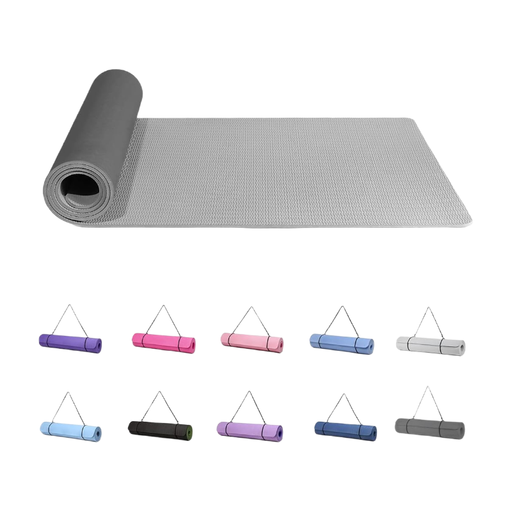
View the Good Nite 6mm TPE Yoga Mat
Why It Stands Out: This mat strikes an excellent balance between comfort and stability. Its 6mm thickness is a versatile sweet spot, providing enough cushioning for floor work while remaining firm enough for standing poses. The dual-textured TPE material is designed for reliable traction.
Pros:
Who is it for? Individuals seeking a versatile, all-purpose mat for yoga, Pilates and general fitness. It's an ideal non-slip yoga mat for those who practice at home, in a studio or at the gym.
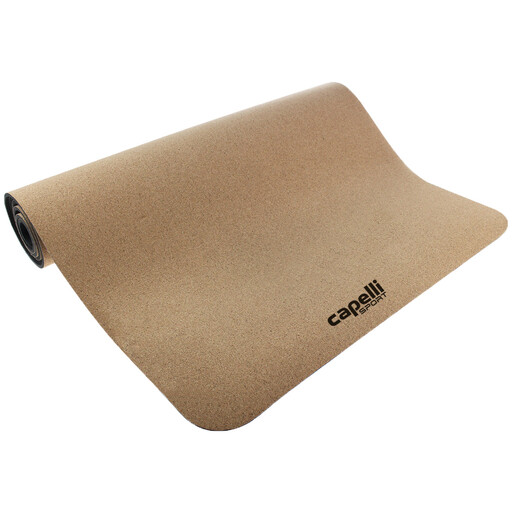
View the 5mm Cork and TPE Yoga Mat
Why It Stands Out: The natural cork surface is this mat's defining feature. It offers a unique, earthy feel and provides excellent grip that actually improves as you sweat, making it particularly well-suited for more intense yoga practices.
Pros:
Who is it for? Yoga enthusiasts, especially those who practice hot yoga, vinyasa or other dynamic styles. It's also a great choice for anyone who prioritises sustainable and natural materials in their fitness equipment.
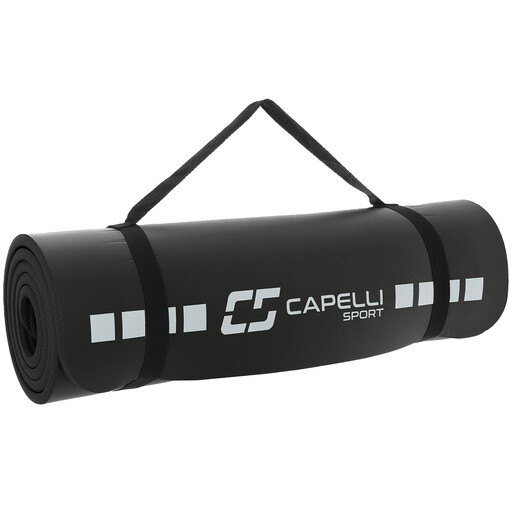
View the Capelli Sport 1.2cm Thick Exercise Mat
Why It Stands Out: This mat is all about maximum comfort. With an extra-thick 1.2cm (12mm) profile made from NBR foam, it provides substantial cushioning to protect your joints during high-impact floor exercises.
Pros:
Who is it for? Anyone who prioritises cushioning over ground-feel. It is particularly well-suited for Pilates, core conditioning, stretching and general fitness routines that involve a lot of time on the floor.
If you're still exploring or have a specific feature in mind, there are many other mats available. For those who value portability, a mat with an integrated strap is a practical choice.
? Explore our curated collection of yoga mats with straps to find your ideal workout companion.
1. How do I stop my exercise mat from slipping on the floor? To prevent slipping, ensure both your mat and the floor are clean and dry before you begin. Choosing a mat with a textured bottom surface can significantly improve grip. Materials like TPE and rubber are known for their non-slip properties, while cork can offer enhanced grip as it becomes slightly damp.
2. What is a good thickness for an exercise mat? This depends on your activity. For dynamic yoga where balance is key, a thinner mat (3-5mm) is often preferred. For all-purpose fitness, a 6mm mat provides a good blend of comfort and stability. For Pilates, stretching or if you have sensitive joints, a thick fitness mat of 10mm or more will provide the best cushioning.
3. How should I clean and care for my exercise mat? For most TPE, NBR and cork mats, the recommended cleaning method is to wipe the surface with a damp cloth and a small amount of mild soap. Afterwards, wipe it again with a clean, damp cloth to remove any soap residue and allow it to air dry completely before rolling it up. Avoid using harsh chemicals or machine washing, as this can degrade the material and reduce the mat's lifespan.