
24/7 Customer Support

Free returns

Same-day & Next-day Delivery

Quality Guaranteed

Unlock Your Welcome Offers: FREE Delivery | Up to 80% OFF | Free 30-day JoyPlus trial
Download the APP
A reliable yoga mat is the foundation of any home practice, whether you are flowing through sun salutations or holding a plank. Yet, finding the right one can feel like navigating a minefield of marketing claims. Many of us have been there: you buy a mat that looks the part, only to find yourself slipping in a downward dog or discovering the "cushioning" offers little real support.
As a Joybuy Product Recommendation Officer, my role is to help you sidestep these common purchasing mistakes. Before you invest in your next home workout mat, let's look at the frequent pitfalls that lead to disappointment and wasted money.
To avoid these traps, focus on a few core parameters that determine a mat's performance, safety and longevity. Understanding these will empower you to choose a mat that genuinely suits your needs.
The material of your mat is the single most important factor influencing its grip, durability and feel.
The ideal thickness depends entirely on your primary activity.
If you plan to take your mat to classes or travel with it, look for lightweight options (typically under 1.5 kg) and consider a fitness mat with carry strap. This simple addition makes transport and storage significantly more convenient. Furthermore, a double-sided textured surface provides versatile grip on different floor types, from hardwood to carpet.
Instead of a one-size-fits-all approach, the right mat is one that aligns with your specific activities and priorities. Here are a few recommendations matched to different user profiles.
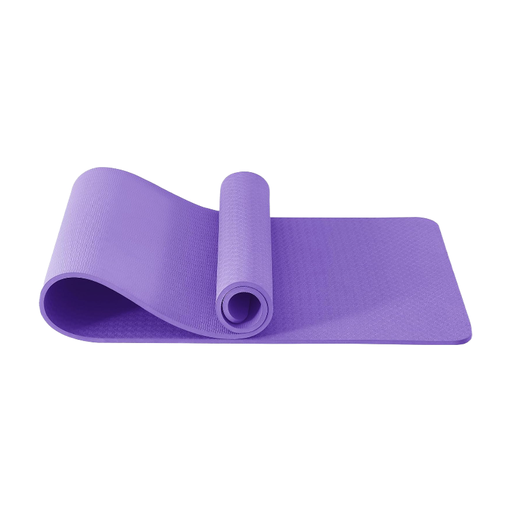
Why This Fits Their Persona: Ideal for those starting a home fitness journey in the UK, this mat is a versatile workhorse. Its 10mm thickness provides ample cushioning for knees and spine during Pilates, stretching or bodyweight exercises, building confidence on hard floors.
It counters the "thick is better" fallacy by using high-density TPE. This provides excellent cushioning without the unstable, sinking feeling of cheaper, low-density foam mats, ensuring a supportive base.
Excellent joint protection for floor-based workouts. The double-sided non-slip texture and included carry strap make it a practical, all-in-one solution.
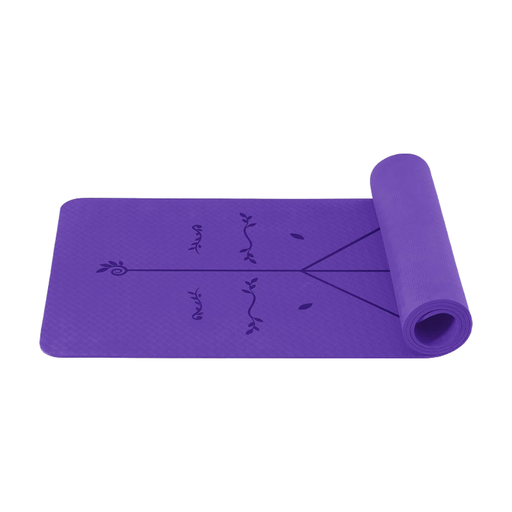
Why This Fits Their Persona: For the practitioner who has moved beyond the basics and needs a mat for dynamic flows. The 6mm thickness offers the perfect balance of stability for standing poses and cushioning for seated ones. The printed alignment lines are a practical aid for refining form.
This mat's dual-sided, textured TPE surface directly addresses the "slippery when wet" issue for moderate workouts, providing a far more secure grip than a standard, smooth PVC mat.
Lightweight and portable with a carry strap. The phthalate-free TPE material is skin-friendly and offers a good ground-feel for improved balance.
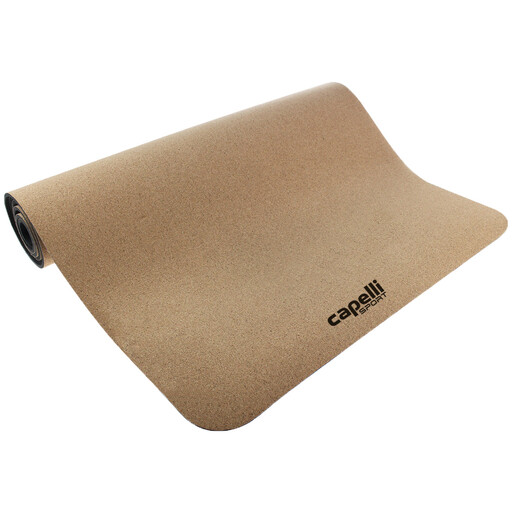
Why This Fits Their Persona: This is the go-to choice for anyone practising in heated environments or who sweats significantly. The natural cork surface provides unparalleled grip when damp, ensuring safety and confidence during the most demanding sessions.
It is the ultimate answer to the "slippery when wet" deception. Its grip improves with moisture. It also sidesteps the "eco-friendly" myth by using genuinely sustainable materials: natural cork and a TPE base.
Superior sweat-proof grip and naturally odour-resistant. The 5mm TPE base provides comfortable cushioning without sacrificing stability.
We have compiled a complete, real-time list of products that fully satisfy these strict selection criteria and UK safety regulations.
Many new TPE mats have a harmless film from the manufacturing process that can feel slick at first. To remove it, simply wipe the mat down with a damp cloth and a small amount of mild soap. Rinse with a clean, damp cloth and allow it to air dry completely away from direct sunlight. This "breaking in" process will significantly improve its grip.
With regular use (2-3 times per week) and proper care, a high-quality TPE yoga mat should serve you well for 1-2 years before you might notice a reduction in grip or texture. A cork yoga mat is exceptionally durable and can last even longer, as the cork surface is resilient and easy to clean.
For dynamic yoga styles like Vinyasa or Ashtanga that involve many standing and balancing poses, a 10mm exercise mat can feel too thick and may hinder stability. However, it is an excellent choice for a pilates mat, restorative yoga or general fitness exercises where extra cushioning for the spine, hips and knees is the main priority.