
24/7 Customer Support

Free returns

Same-day & Next-day Delivery

Quality Guaranteed

Unlock Your Welcome Offers: FREE Delivery | Up to 80% OFF | Free 30-day JoyPlus trial
Download the APP
A yoga mat might seem like a simple piece of equipment, but the right one can be the difference between a grounded, focused practice and a session spent slipping and readjusting. With so many materials, thicknesses and features available, choosing a yoga mat can feel overwhelming. The goal is to find a surface that supports your body, provides stability and suits your specific type of exercise.
As your Joybuy Product Recommendation Officer, my role is to help you navigate these choices. This guide cuts through the clutter, focusing on the practical features that matter, so you can find a mat that truly works for you.
Before looking at specific products, understanding a few key factors will help you identify what you need from an exercise mat.
The material of your mat determines its grip, texture, weight and environmental impact.
TPE yoga mat is typically lightweight, offers good cushioning and provides a reliable non-slip surface, making it a versatile option for various yoga styles.cork yoga mat is an excellent sustainable option. The surface is naturally antimicrobial, which helps to keep it fresh. Its most notable feature is that its grip often improves with moisture, making it a standout choice for hot yoga or anyone who tends to sweat during practice.thick yoga mat made from NBR provides a soft, comfortable surface that absorbs impact well.Mat thickness is measured in millimetres (mm) and directly impacts comfort and stability.
thick yoga mat or fitness mat, often 10mm or more, provides substantial padding. This is ideal for restorative yoga, Pilates or general workouts where you spend a lot of time on your back, knees or elbows.A secure footing is essential for safety and confidence in your poses. A non slip yoga mat prevents your hands and feet from sliding, especially during dynamic flows or challenging holds. The texture can range from smooth to noticeably patterned. Materials like TPE and cork are known for their excellent grip, ensuring you stay put from your first downward dog to your final savasana.
Based on key features and user needs, here are our recommendations to help you find a mat that complements your practice.

Why It Stands Out: This mat combines the benefits of two excellent materials. The top layer is natural cork, which provides a unique, grippy surface that performs exceptionally well in humid or sweaty conditions. The bottom is made from TPE, offering a stable, cushioned base that prevents the mat from sliding on the floor.
Pros:
hot yoga mat.Who is it for?: This mat is a strong contender for practitioners of Vinyasa, Ashtanga and hot yoga. It's also a great choice for anyone who values sustainable materials and needs a reliable non slip yoga mat for a vigorous practice.
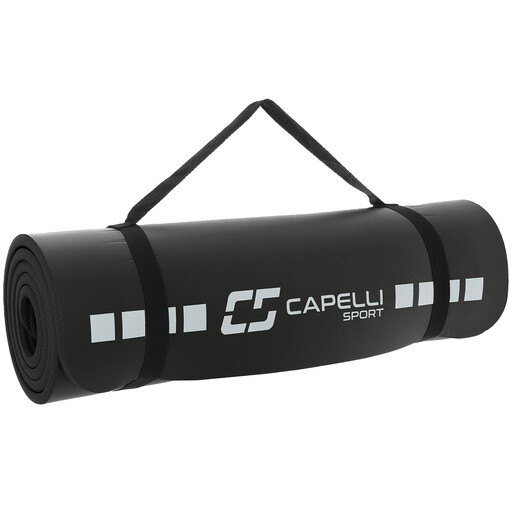
Why It Stands Out: The defining feature of this mat is its exceptional cushioning. At 1.2cm (12mm) thick, the NBR foam construction is designed to absorb impact and protect your joints, making floor-based exercises significantly more comfortable.
Pros:
yoga mat with carrying strap for convenient transport and storage.Who is it for?: If comfort is your top priority, this is the mat to consider. It is particularly well-suited for Pilates, core workouts, physiotherapy exercises or anyone with sensitive joints who needs a thick yoga mat for their routine.
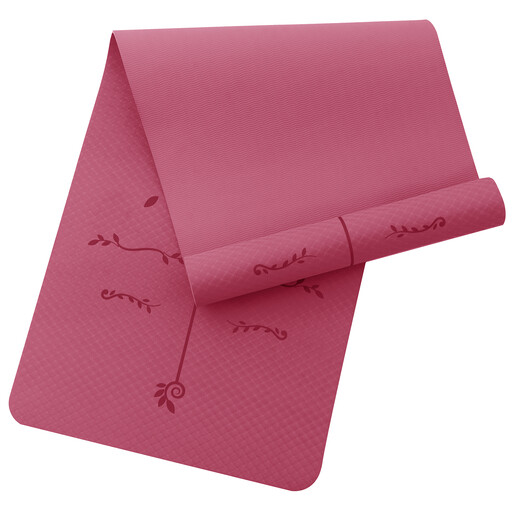
Why It Stands Out: This mat is designed with guidance in mind. The surface features subtle alignment lines that help you correctly position your hands and feet. This is an incredibly useful feature for building a strong foundation and ensuring proper form as you learn new poses.
Pros:
yoga mat for beginners.TPE yoga mat material and includes a carrying strap.Who is it for?: This mat is a fantastic starting point for anyone new to yoga. It's also a useful tool for more experienced practitioners who want to check in on their alignment and refine their posture during home practice.
While the mats above cover a wide range of needs, your specific workout might call for something different. If your focus is primarily on core strength and controlled movements, you might find mats specifically designed for that purpose more suitable.
Explore our curated selection of Pilates mat options to find the perfect match for your workout.
The main differences are grip and thickness. A yoga mat typically prioritises a sticky, non-slip surface to hold poses and is often thinner (3-6mm) to maintain a connection with the floor for balance. A general fitness mat or exercise mat often prioritises cushioning over grip. They tend to be thicker (10mm+) to protect joints during sit-ups, planks or other floor exercises.
Choosing the right material is the first step. A non slip yoga mat made from TPE, natural rubber or cork is designed for grip. For sweaty practices like hot yoga, a cork yoga mat is an excellent choice, as its grip improves with moisture. Keeping your mat clean from oils and dust also helps maintain its texture and traction.
A yoga mat for beginners should ideally be around 5-6mm thick. This provides a comfortable amount of cushioning to protect the knees and wrists in foundational poses, but it's not so thick that it makes balancing difficult. This middle-ground thickness offers a great combination of comfort and stability for learning.