
24/7 Customer Support

Free returns

Same-day & Next-day Delivery

Quality Guaranteed

Unlock Your Welcome Offers: FREE Delivery | Up to 80% OFF | Free 30-day JoyPlus trial
Download the APP
Choosing a new yoga mat can feel surprisingly complex. With an array of materials, thicknesses and textures available, it’s easy to feel lost. Are you a beginner seeking comfort for a new Pilates class, a seasoned yogi needing a non-slip surface for hot yoga, or a traveller who needs a mat that can keep up?
This guide is designed to cut through the clutter. As the Joybuy Product Recommendation Officer, my role is to help you understand the key features that matter. We will explore what makes a great mat for different needs, so you can find a surface that supports your practice, whatever it may look like.
Before looking at specific products, let's break down the three most important factors to consider. Understanding these will help you identify which mat is the right fit for your routine and personal preferences.
The material of your mat dictates its grip, durability and feel.
The thickness of a mat affects both comfort and stability.
A secure footing is non-negotiable for a safe and effective practice. A non-slip yoga mat prevents your hands and feet from sliding, allowing you to hold poses with confidence. Look for mats with textured surfaces or materials like cork and rubber that are known for their reliable grip.
Based on these key features, we have selected a few standout options designed for different types of users.

Why It Stands Out: This mat is built for portability. Its ultra-thin 2mm profile and foldable design make it an ideal travel companion. The combination of a natural rubber base for floor grip and a soft suede surface that absorbs sweat makes it highly functional.
Pros:
Who is it for? This is a great choice for the travelling yogi, practitioners who want a personal mat for studio classes, or anyone who prefers a minimal, close-to-the-ground feel for balance-focused poses.
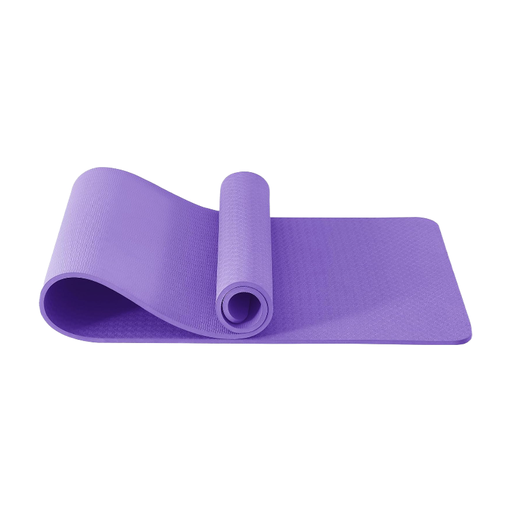
Why It Stands Out: Comfort is the primary feature of this mat. With a generous 10mm thickness, it provides significant cushioning for joints, making it suitable for a wide range of floor exercises beyond just yoga.
Pros:
Who is it for? Ideal for beginners, individuals practising Pilates or gymnastics, or anyone seeking a thick exercise mat that prioritises joint protection during floor workouts. It's a versatile option for a home gym.
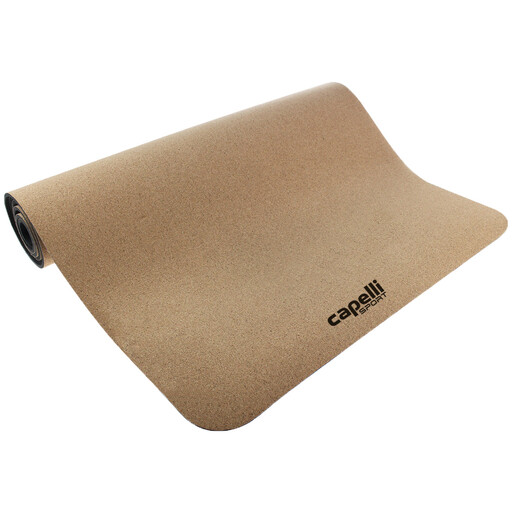
Why It Stands Out: This mat combines sustainability with performance. The natural cork surface is odour-resistant and provides exceptional grip, especially during sweaty sessions like hot yoga. The TPE base adds a layer of comfortable cushioning.
Pros:
Who is it for? A strong candidate for the environmentally-conscious consumer, any yoga mat for women or men who frequent hot yoga classes, or those who value a naturally clean and grippy practice surface.
If you haven't found the perfect match here or want to compare more styles, there is a wider selection available. From different colours and patterns to specialised materials, you can find a mat that truly fits your personal style and fitness needs.
Explore our full range of Outdoor gym mats to find the ideal surface for your fitness routine.
How can I improve my grip on a yoga mat? For materials like cork, a light spritz of water on your hands and feet can actually improve grip. For other mats, ensure the surface is clean and free from oils or lotions. If slipping remains an issue, a mat with a textured surface or one made from natural rubber may offer better traction.
What is the main difference between a yoga mat and a general exercise mat? While the terms are often used interchangeably, there can be a difference in focus. Yoga mats typically prioritise grip and a stable, thinner surface for holding poses. A general thick exercise mat often prioritises cushioning for higher-impact movements or exercises like a Pilates mat where you spend more time lying on your back or side.
How should I clean my yoga mat? Always check the manufacturer's care instructions first. For most mats, wiping them down with a damp cloth and a solution of mild soap and water is effective. Allow the mat to air dry completely before rolling it up. Materials like cork are naturally antimicrobial and may require less frequent deep cleaning. Avoid machine washing or prolonged exposure to direct sunlight, as this can degrade the material.