A reliable yoga mat is the foundation of any good practice, whether you're flowing through a vinyasa sequence at a studio or holding a plank in your living room. But with so many options available, choosing the right one can feel overwhelming. A mat that slips can disrupt your focus, while one that’s too thin can leave your joints feeling unsupported.
As the Joybuy Product Recommendation Officer, my role is to help you navigate the choices. This guide cuts through the marketing clutter to focus on the practical features that matter, helping you find an exercise mat that truly supports your fitness goals. We'll look at key factors like material, thickness and grip to help you make an informed decision.
How to Choose the Right Yoga Mat for Your Practice
Before we look at specific products, let's cover a few key considerations. Understanding these will help you identify which features are most important for your needs.
1. Material Makes a Difference
The material of your mat affects its grip, durability and feel.
- TPE (Thermoplastic Elastomer): This is a popular man-made material that blends the properties of plastic and rubber. TPE mats are often lightweight, offer good cushioning and are generally considered more eco-friendly than traditional PVC. They provide a comfortable, non-slip surface suitable for many types of yoga and fitness.
- PVC (Polyvinyl Chloride): PVC is a highly durable and long-lasting material. These mats are known for their stickiness and resilience, making them a reliable choice for a vigorous practice. They are often more affordable and easy to clean.
- Cork: An increasingly popular choice, cork is a natural, sustainable material. An eco-friendly yoga mat made with cork offers a firm, stable surface. A key feature is that its grip often improves with moisture, making it an excellent option for a hot yoga mat.
2. Finding the Right Thickness
The thickness of your mat determines its level of cushioning and stability.
- Thick Mats (8mm-10mm): A thick yoga mat provides substantial cushioning, which is ideal for protecting sensitive joints like knees and wrists. This makes them excellent for restorative yoga, Pilates, or general floor exercises where you spend more time seated or lying down.
- Standard Mats (4mm-6mm): This is the most common thickness range. It offers a balance between comfortable cushioning and a stable connection to the floor, which is important for standing and balancing poses.
- Thin Mats (1mm-3mm): Often called travel mats, these are very lightweight and portable. They provide less cushioning but offer maximum stability and a direct feel for the ground.
3. Grip and Portability
A non-slip yoga mat is crucial for safety and confidence in your poses. Look for mats with a textured surface to provide traction for your hands and feet. For those who practise on the go, portability is key. Many mats are lightweight and come with a yoga mat with carry strap, making them easy to transport to and from the studio.
Recommended Yoga Mats to Consider
Based on these practical features, here are a few recommendations from our collection that cater to different needs and preferences.
For Maximum Cushioning: Miss Lulu Good Nite Yoga Mat (10mm)
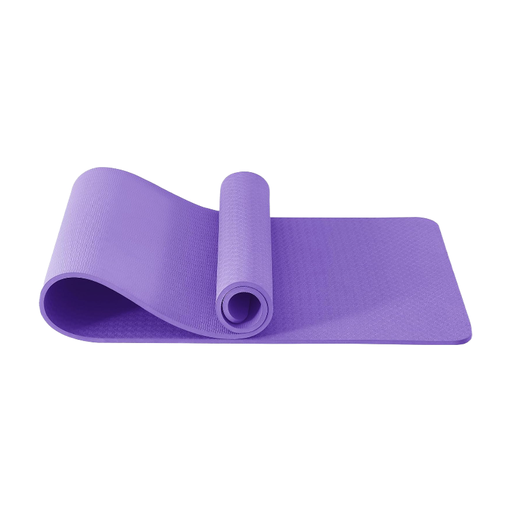
- Why It Stands Out: With a generous 10mm thickness, this mat is designed for comfort. It provides significant cushioning for the spine, hips and knees, making it an excellent choice for floor-based workouts. The high-density TPE material resists compression and offers a quick rebound.
- Pros:
- Double-sided non-slip texture for enhanced stability.
- Made from tear-resistant, high-density TPE.
- Water and sweat-resistant surface is easy to clean.
- Includes a carry strap for easy transport.
- Who is it for? Individuals seeking extra joint support, beginners or those who use their mat for a Pilates mat or general fitness routines in addition to yoga.
For All-Round Versatility: 6MM Print Yoga Mat
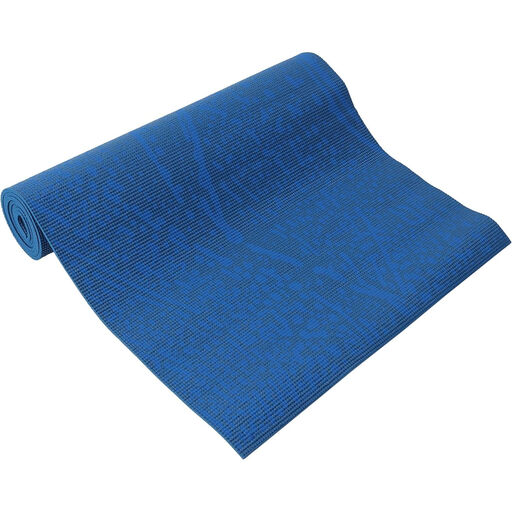
- Why It Stands Out: This mat strikes a great balance between performance and practicality. Its 6mm PVC construction is both durable and provides enough cushioning for most standard practices. The textured surface is designed to offer a secure footing during various poses and stretches.
- Pros:
- Durable and sturdy PVC material.
- Textured surface for reliable grip.
- Lightweight and easy to roll for storage and transport.
- Suitable for a wide range of exercises, from yoga to stretching.
- Who is it for? Anyone looking for a dependable, multi-purpose exercise mat for home or gym use that handles a variety of fitness activities.
For Hot Yoga and Natural Feel: 5MM Cork Yoga Mat

- Why It Stands Out: This mat combines a natural cork top with a TPE base, offering a unique and sustainable option. The standout feature of cork is its performance in humid conditions; it tends to become grippier when slightly damp, making it a prime choice for hot yoga.
- Pros:
- Crafted with natural, eco-friendly yoga mat materials.
- Sweat and odour-resistant cork surface.
- Excellent non-slip properties, especially for hot yoga.
- The 5mm thickness provides a good balance of cushioning and stability.
- Who is it for? Practitioners of hot yoga or other sweaty workouts, eco-conscious individuals and those who prefer the firm, natural feel of cork.
Looking for More Options?
If you haven't found the perfect match yet, our full collection features a wider range of materials, thicknesses and colours. Explore more yoga matte tpe to find a mat that aligns with your personal practice and style.
Frequently Asked Questions
What is the ideal thickness for a yoga mat?
The ideal thickness depends on your practice and personal preference. A standard 5mm-6mm mat is a great all-rounder for most yoga styles. If you have sensitive joints or also use your mat for Pilates, a thick yoga mat of 8mm-10mm will provide better cushioning. For travel or a practice focused on balance, a thinner mat (3mm-4mm) offers more stability.
How can I stop my hands from slipping on my yoga mat?
Slipping is a common issue, especially for beginners. Choosing a non-slip yoga mat with a textured surface is the first step. Materials like cork and some TPE formulations offer excellent grip. For very sweaty practices, a hot yoga mat or using a yoga towel on top of your mat can provide additional traction. Ensuring your mat is clean and free from oils can also improve its grip.
Can I use a yoga mat for other exercises?
Yes, absolutely. While designed for yoga, most mats are versatile enough for a range of activities. They are perfect as a general exercise mat for stretching, core work and bodyweight exercises. For high-impact workouts, you might want a more durable, thicker mat, but for most floor-based fitness, a standard yoga or Pilates mat works very well.


