
24/7 Customer Support

Free returns

Same-day & Next-day Delivery

Quality Guaranteed

Unlock Your Welcome Offers: FREE Delivery | Up to 80% OFF | Free 30-day JoyPlus trial
Download the APP
A reliable yoga mat is the foundation of any good practice, whether you are flowing through a vinyasa sequence at home, holding a pose in a hot yoga studio or performing floor exercises at the gym. Yet, with so many options available, choosing the right one can feel overwhelming. A mat that slips can disrupt your focus, while one that offers too little cushioning can leave your joints feeling sore.
This guide is designed to cut through the clutter. As the Joybuy Product Recommendation Officer, my role is to provide clear, practical advice to help you find a mat that suits your specific needs, budget and style of practice. We will explore the key features to consider and highlight a few standout options to get you started.
Before you make a decision, it is helpful to understand the main factors that differentiate one mat from another. Considering these points will ensure you select a mat that supports, rather than hinders, your fitness goals.
The material of a mat determines its grip, durability and texture. Common options in the UK market include:
The thickness of a mat directly impacts comfort and stability.
A non-slip exercise mat is crucial for safety and proper alignment. Look for mats with textured surfaces that provide traction for both your hands and the floor. For those who take their practice on the go, a lightweight design and an included gym mat with carry strap are practical features that add significant value.
Based on these key features, we have selected a few products that cater to different needs and preferences.
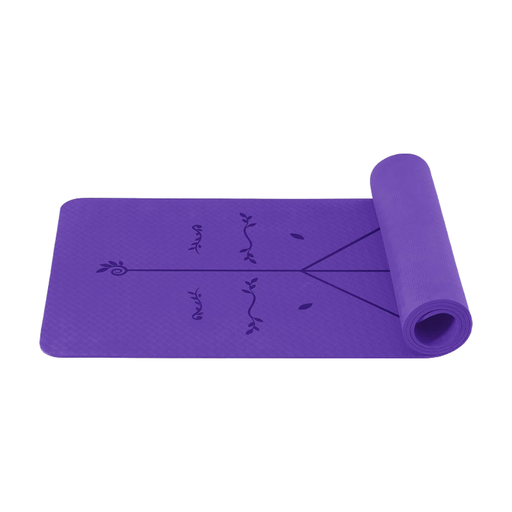
Why It Stands Out: This mat is an excellent all-rounder, particularly for those new to yoga. It features printed alignment lines that help guide hand and foot placement, encouraging correct form from the start. The 6 mm thickness strikes a great balance between comfortable cushioning and firm stability.
Pros:
Who is it for? Beginners and home practitioners looking for a versatile mat that offers visual cues for proper posture during yoga, Pilates and general fitness workouts.
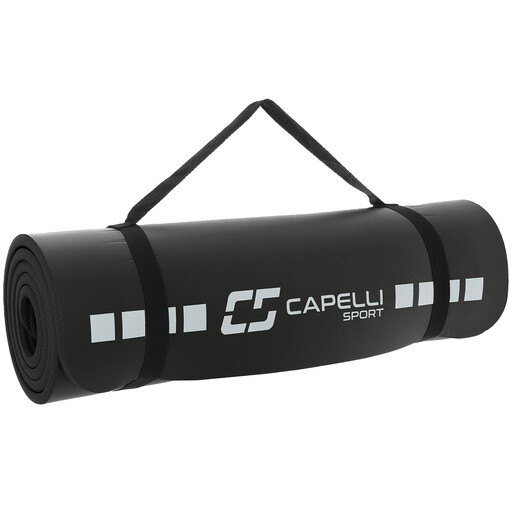
Why It Stands Out: With its substantial 1.2 cm thickness, this mat prioritises comfort and joint protection above all else. The resilient NBR foam provides superior shock absorption, making floor-based exercises much more comfortable.
Pros:
Who is it for? Individuals who practise Pilates, restorative yoga or any floor-based fitness routine and require significant cushioning for their knees, spine and hips.

Why It Stands Out: This mat is engineered for performance in demanding conditions. Its unique construction features a natural rubber base for stability and a soft suede top layer that absorbs sweat to increase grip. Its ultra-thin 2mm profile makes it foldable and exceptionally portable.
Pros:
Who is it for? Yogis who regularly attend hot yoga or vinyasa classes, as well as frequent travellers who want to maintain their practice on the road without the bulk of a traditional mat.
While these recommendations cover a range of common needs, your perfect mat might have different specifications. If you are looking for a specific colour, material or thickness not featured here, we invite you to explore our complete collection.
[Browse our full range of yoga and pilates mats here.](https://www.joybuy.co.uk/explore/yoga-and-pilates-mats/OaI41waU)
What is the difference between a yoga mat and a Pilates mat? The main difference is typically thickness and density. Yoga mats are often thinner (3-6 mm) to promote stability and a connection to the floor for standing poses. A Pilates mat is generally thicker (8 mm or more) to provide extra cushioning for the spine during the rolling, floor-based movements common in Pilates.
How do I stop slipping on my yoga mat? Slipping is often related to the mat's material and texture. For sweaty practices like hot yoga, a mat with a moisture-absorbent surface, such as the suede and rubber combination, is highly effective. For standard practices, ensure your mat is clean, as oils and dirt can reduce grip. A mat with a pronounced texture can also provide better traction.
How should I clean and care for my mat? Always check the manufacturer's instructions. For most TPE and NBR mats, wiping them down with a damp cloth and a small amount of mild soap after use is sufficient. Allow the mat to air dry completely before rolling it up. Avoid harsh chemical cleaners and prolonged exposure to direct sunlight, as these can degrade the material over time. Suede-topped mats may have specific care requirements, so it is best to follow the provided guidance.