
24/7 Customer Support

Free returns

Same-day & Next-day Delivery

Quality Guaranteed

Unlock Your Welcome Offers: FREE Delivery | Up to 80% OFF | Free 30-day JoyPlus trial
Download the APP
Choosing between ECOODA fishing rods can look straightforward until you compare rod length, action, construction and reel compatibility. Product listings often use phrases such as “long cast”, “lightweight” or “carbon” without explaining what those features mean beside a river, on a beach or from a boat.
For UK anglers, the right choice depends on where you fish, the species you target and how you intend to transport and maintain the tackle. This guide highlights common buying traps, the specifications worth checking and a selection of ECOODA rods and reels suited to different fishing profiles.
A carbon fishing rod may offer a useful balance of weight and responsiveness, but carbon construction alone does not tell you the rod’s casting range, action or intended line and lure weights. A light freshwater lure rod is not automatically appropriate for heavy sea rigs, strong tides or boat fishing.
Always check the product listing for:
If this information is missing, treat the rod as a product requiring further specification checks rather than assuming it is a universal fishing rod.
A long-casting fishing rod is generally designed to help propel a rig or lure from the shore. A boat fishing rod usually prioritises manageable length, control and suitability for fishing in a restricted space. A long rod can be awkward around other anglers, rails and seating on a small boat.
The ECOODA lightweight long-casting boat rod listings should therefore be compared carefully with your actual fishing position. Confirm whether the model is intended for shore casting, boat use or both, and check its transport dimensions before ordering.
Saltwater fishing exposes guides, reel seats, line and reels to corrosive salt deposits. Even a saltwater fishing rod requires rinsing with fresh water after use. A spinning reel or casting reel also needs sensible cleaning and drying, particularly after fishing from a beach, pier or boat.
Look for practical features such as accessible guides, a secure reel seat and a construction that is easy to rinse. After each sea session, wipe down the rod and reel, allow them to dry fully and avoid storing damp tackle in a closed holdall.
Longer rods can assist with shore casting and line control, while shorter rods are easier to use from a boat, narrow bank or confined swim. UK anglers should also consider transport in a car and storage at home.
A two-piece rod can make transport more convenient, but check the collapsed length rather than relying on the full length alone. The section connection should be seated correctly before every session.
Action describes how much of the blank bends under pressure. A fast-action lure fishing rod often feels more direct when working artificial lures, while a more progressive action can provide cushioning when playing fish.
Power indicates the general strength of the rod. Match this with the species and method:
Do not exceed the manufacturer’s stated casting or lure range. Overloading a rod can affect control and may damage the blank.
A carbon blank can help reduce overall weight, which is useful during a long session, but the guide layout and reel seat are equally important. The ECOODA Carbon Lure Rod listing specifies Fuji SIC guides and O-ring guide details; these are identifiable component features, but you should still confirm the precise model configuration and size before buying.
A spinning reel is normally paired with a spinning rod, while a casting reel requires a compatible casting rod and reel seat. Check the product images and listing details carefully because the wrong pairing can make casting uncomfortable and affect line management.
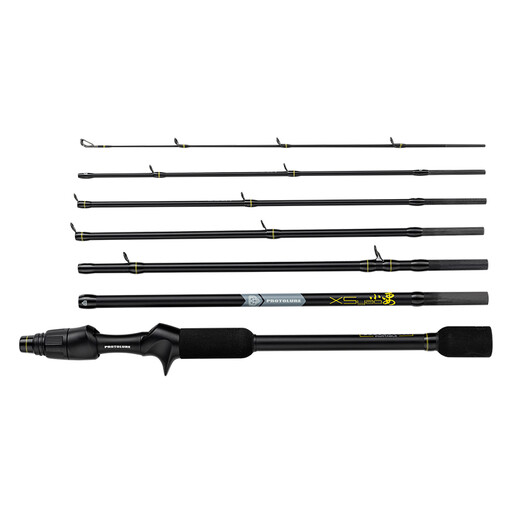
Why This Fits Their Persona: A straightforward option for someone beginning freshwater lure fishing for bass-sized species, perch or similar targets in UK rivers and lakes. Check the model’s lure and line ratings before pairing it with a reel.
Its product name clearly identifies carbon construction and freshwater lure use, helping buyers avoid choosing a sea or heavy boat rod for light lure work.
Carbon construction is stated in the product name; the listing is positioned for freshwater lure fishing.
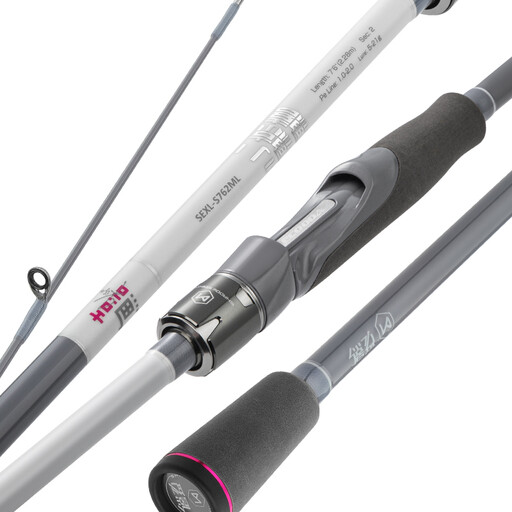
Why This Fits Their Persona: Suitable for anglers who prioritise named components and want one lure rod listing that references bass, trout and carp applications.
The listing identifies Fuji SIC guides and O-ring details rather than relying only on a general carbon claim. Confirm the exact configuration before purchase.
Carbon lure rod construction; Fuji SIC guides and O-ring guide description are listed.
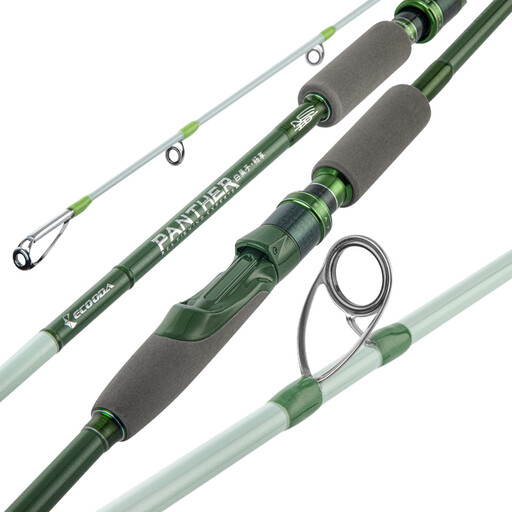
Why This Fits Their Persona: A targeted choice for anglers comparing a sea fishing rod with a boat-oriented, long-casting design for coastal sessions. Check length and casting weight against the boat’s available space.
The name states both lightweight and boat use, making the intended setting clearer than a generic long-cast label. Confirm the rod’s ratings before using heavier rigs.
The product is described as lightweight; it is specifically positioned for long-casting boat sea fishing.
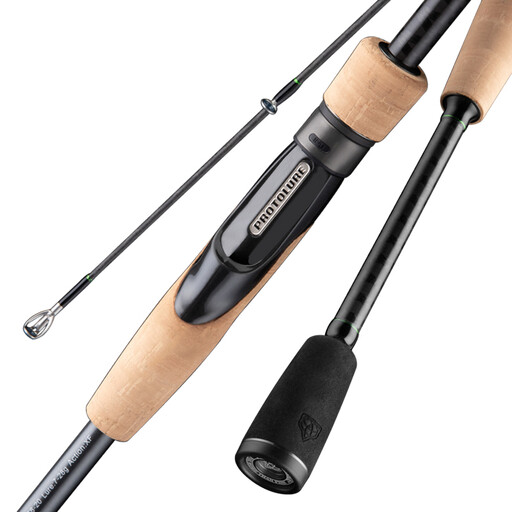
Why This Fits Their Persona: Useful for anglers who divide their time between freshwater venues and saltwater sessions and prefer a two-piece rod format for transport.
The product description identifies freshwater and saltwater use, while the two-piece format helps with storage. Rinse thoroughly after sea use.
Two-piece construction is stated; the listing covers both freshwater and saltwater fishing.
We have compiled a complete, real-time list of products that fully satisfy these strict selection criteria and UK safety regulations.
Match the reel type to the rod before purchasing. A spinning reel is generally used with a spinning rod and is familiar to many beginners. A casting reel requires a compatible casting rod and can suit anglers who prefer a different casting setup.
The ECOODA ETS Casting Reel Lightweight is worth considering when the product specifications match your chosen casting rod. For river, lake and stream anglers comparing reel options, the ECOODA SXF Shadow Seeking Spinning Reels listing is positioned for those environments. Check spool capacity, retrieve configuration and line compatibility rather than choosing based on appearance alone.
Some ECOODA listings are specifically described for sea, saltwater or boat fishing, while others are intended for freshwater lure use. Select a rod according to its stated application and ratings, then rinse it with fresh water after every saltwater session.
Some models are listed for both freshwater and saltwater fishing, but versatility does not remove the need to check lure weight, line rating and rod power. A dedicated sea bass rod or boat rod may be more appropriate when using heavier rigs or fishing strong tides.
Inspect the blank, guides and section joints before use. Keep the rod away from knocks, grit and excessive bending, and clean off salt residue after coastal fishing. Store it dry, preferably separated into sections, and avoid exceeding the stated casting weight.