As an angler in the UK, you know that the right gear can make all the difference between a frustrating day and a memorable catch. Finding a lure fishing rod that offers the sensitivity to feel a subtle take, the backbone to set the hook and the durability to handle both feisty freshwater predators and corrosive saltwater environments can be a challenge. This guide is designed to help you navigate the options and identify a rod that aligns with your specific angling needs, whether you're stalking sea bass along the coast or targeting carp in a quiet lake.
Choosing the Right Lure Fishing Rod: A Practical Guide
Before diving into specific models, let's cover a few key considerations that will help you refine your choice. Focusing on these aspects ensures you invest in a tool that truly enhances your fishing.
1. Match the Rod to Your Target Species and Environment
The ideal rod for casting light lures for trout is vastly different from a powerful sea bass rod designed to punch lures into a headwind.
- Action: This describes how much of the rod bends when pressure is applied. A 'fast' action rod bends mostly at the tip, offering excellent sensitivity and quick hook sets, which is ideal for single-hook lure techniques. A 'moderate' or 'slow' action rod bends further down the blank, which can be beneficial for preventing hook pulls when using treble-hooked lures for species like pike or perch.
- Power: This refers to the rod's lifting strength, typically rated from ultra-light to extra-heavy. A medium-power rod is a versatile starting point for general UK lure fishing, but you may need a medium-heavy or heavy rod for targeting large carp fishing rod applications or battling strong fish in heavy cover.
- Saltwater vs. Freshwater: If you plan to fish in the sea, a dedicated saltwater fishing rod is a wise choice. These rods feature corrosion-resistant components, such as stainless steel or titanium alloy guides, to withstand the harsh effects of salt. Many modern rods are built for both, but it's crucial to check the specifications.
2. Pay Attention to Components and Construction
The small details often separate a good rod from a great one. High-quality components not only improve performance but also extend the life of your rod.
- Guides: The quality of the line guides affects casting distance, line wear and sensitivity. Rods equipped with components from recognised brands, such as a Fuji guide rod, often use materials like Alconite or Silicon Carbide (SiC) that are exceptionally smooth and durable, reducing friction and protecting your line.
- Build: Most modern lure rods are made from carbon fibre, offering a fantastic balance of strength and low weight. The construction method and material quality dictate the rod's sensitivity and responsiveness. For anglers on the move, a 2 piece fishing rod or a multi-section travel fishing rod offers a practical balance of performance and portability without the inconvenience of a single-piece design.
3. Consider Specialised Techniques
If you focus on specific methods like vertical jigging, a purpose-built rod will significantly outperform a general-purpose one. For example, a dedicated jigging rod is designed with a specific action to impart the correct movement to your jig. Similarly, highly specialised Japanese techniques like tai rubber or tenya fishing have rods designed explicitly for them, offering unparalleled sensitivity for detecting bites in deep water.
Top Product Recommendations
Here are a few standout lure fishing rods that cater to the needs of discerning UK anglers.
ECOODA Protolure CC 2sec Sea Bass Rod
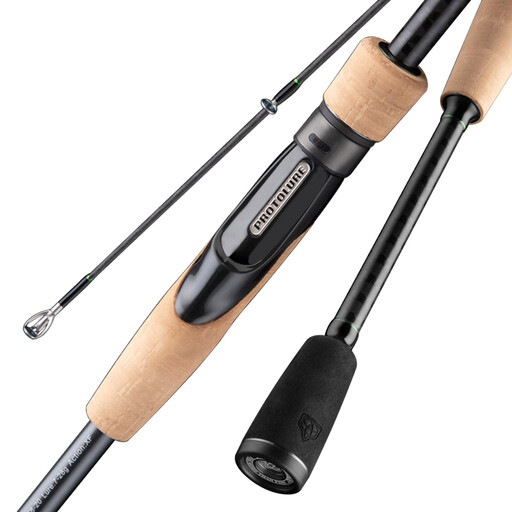
- Why It Stands Out: This rod is a versatile performer, engineered for both freshwater and saltwater applications. Its construction focuses on providing the casting distance and sensitivity needed for effective sea bass angling, but it remains light and responsive enough for targeting perch, pike and zander in freshwater.
- Pros:
- Designed for both saltwater and freshwater use.
- Two-piece construction (2 piece fishing rod) for easy transport.
- Balanced action suitable for a wide range of lure types.
- Who is it for? The angler who wants a reliable, high-performance rod that can handle a weekend chasing sea bass and a midweek session on the local canal without compromise.
ECOODA SEXL Lure Rod for Carp, Bass and Trout
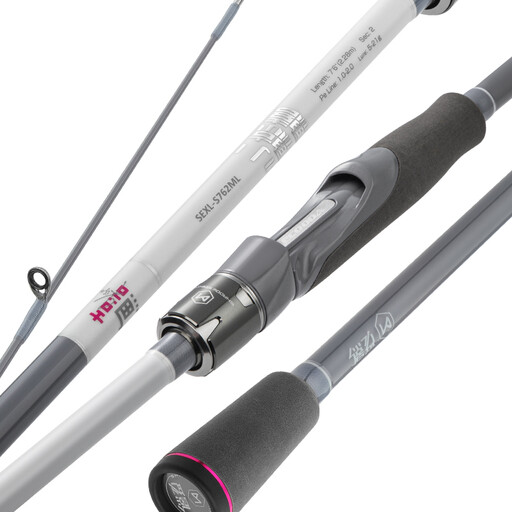
- Why It Stands Out: The SEXL model is built with power and high-quality components in mind. It features Fuji Sic Ring and O Ring guides, known for their durability and smooth performance, making it an excellent choice for anglers using braided lines. Its powerful blank has the backbone needed to handle larger, hard-fighting species.
- Pros:
- Equipped with high-quality Fuji guides for reduced line friction.
- Strong blank suitable for targeting larger species like carp and pike.
- Versatile enough for various lure techniques.
- Who is it for? The angler who frequently targets larger fish and demands robust, reliable components that can withstand powerful runs and repeated casting with heavier lures. It's a solid choice for a dedicated carp fishing rod for lure methods.
ECOODA EETB Rubber Jig Fishing Rod (Tai Rabbit/Tenya Game)
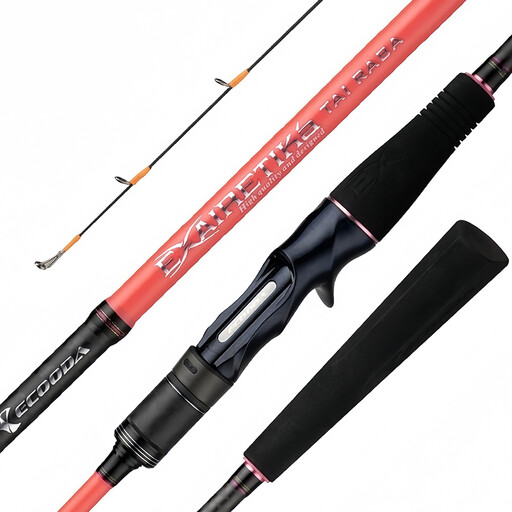
- Why It Stands Out: This is a highly specialised rod for the technical angler. It is purpose-built for vertical boat fishing techniques like Tai Rubber and Tenya, which are gaining popularity for targeting bottom-dwelling species. The rod features a sensitive solid carbon tip to detect the most subtle bites, paired with a powerful butt section to lift fish from the depths.
- Pros:
- Specialised design for vertical jigging techniques.
- Extremely sensitive tip for superior bite detection.
- Powerful blank provides excellent lifting power.
- Who is it for? The advanced boat angler looking to explore technical, deep-water lure fishing. If you are serious about your vertical jigging rod performance, this model offers the specific features needed to excel.
Looking for More Options?
The rods highlighted here represent some excellent choices for specific angling disciplines. If your needs differ or you wish to explore a broader range of actions, lengths and power ratings, you can browse our full collection.
? Explore our complete range of fishing rods here
Frequently Asked Questions
What is a good all-round lure fishing rod length for the UK?
For general-purpose lure fishing in the UK, a rod between 7ft and 8ft is often a great starting point. This length offers a good balance of casting distance for bank fishing and manoeuvrability for boat or tight-swim fishing. Shorter rods (around 6ft-6.5ft) are excellent for vertical jigging or casting in confined spaces, while longer rods (9ft+) are typically reserved for distance casting from the shore, such as for sea bass.
Can I use a freshwater lure rod for saltwater fishing?
While you can, it is not recommended for long-term use. Saltwater is highly corrosive and can quickly damage rod components that are not designed for it, especially the guide frames and reel seat. A proper saltwater fishing rod uses corrosion-resistant materials. If you do use a freshwater rod in the sea, be sure to rinse it thoroughly with fresh water after every trip.
What is the main difference between a jigging rod and a standard spinning rod?
The primary difference lies in their design and intended action. A standard spinning rod is typically designed for casting and retrieving lures horizontally. A jigging rod, particularly one for vertical jigging, is shorter and has a unique action: a soft, sensitive tip to detect bites as the jig falls, combined with a very powerful lower section (butt) to fight and lift fish vertically from deep water. This parabolic bend helps absorb the lunges of a powerful fish directly below the boat.


