
24/7 Customer Support

Free returns

Same-day & Next-day Delivery

Quality Guaranteed

Unlock Your Welcome Offers: FREE Delivery | Up to 80% OFF | Free 30-day JoyPlus trial
Download the APP
Choosing between ECOODA fishing rods is not simply a matter of selecting the longest or lightest model. UK anglers may need one rod for lure fishing from a rocky shoreline, another for boat work, or a more responsive setup for trout, carp or freshwater bass. Matching the rod to the method, lure weight and environment helps prevent an expensive purchase that remains unused.
A longer blank can help with casting distance, line control and keeping line away from shoreline obstacles. However, length alone does not guarantee longer casts. The casting weight range, action, reel balance and lure profile also influence performance.
A rod designed for a light lure may not load correctly with a heavy sea-fishing rig. Conversely, a powerful boat rod can feel cumbersome for repeated lure casting from the bank. Check the complete specification rather than relying on phrases such as “long cast” or “lightweight”.
Carbon construction is common in modern fishing rods because it can offer a relatively low-weight blank with useful responsiveness. It does not automatically mean that a rod is suitable for saltwater, heavy leads or large fish.
A carbon lure rod for bass and trout is normally selected around lure control and repeated casting. A saltwater fishing rod or boat fishing rod must also suit the rig, drag pressure and handling conditions. Look for the stated application, section count, line guidance and recommended lure or weight range.
Features such as Fuji SIC guides and O-ring guides may attract attention, but the rest of the setup still matters. Guide layout, reel-seat fit, handle comfort, ferrule alignment and blank action affect day-to-day use.
For sea fishing, rinse the rod after use and dry it before storage. Even corrosion-resistant components can suffer when salt and grit are left on the guides or reel seat. A rod that is easy to clean and transport may be more practical than one selected purely for a component label.
Choose length according to where you fish:
For a UK sea bass angler walking to marks, transport length can be just as important as the assembled length. For boat anglers, excessive length may make landing fish or moving around the deck less convenient.
Check the manufacturer’s stated lure range or sinker rating before buying. A rubber jig fishing rod and Tenya fishing rod are intended for a different presentation from a freshwater lure rod. The rod should load naturally when casting or lifting the chosen rig, without feeling either overloaded or unresponsive.
Also compare the reel size and line type you intend to use. A balanced rod-and-reel combination reduces wrist fatigue during repeated casts and makes lure control more predictable.
A carbon fishing rod can be a practical choice where low weight and sensitivity are priorities. Guides should be checked for chips, sharp edges and secure frames, particularly when using braided line. Models listing Fuji SIC guides may appeal to anglers seeking a recognised guide specification, but always confirm the exact model details on the product page.
For saltwater use, rinse the rod with fresh water after each session. Do not leave it wet in a rod bag, and avoid storing it while sand is trapped around the ferrules. These simple steps can help reduce premature wear, regardless of brand or material.
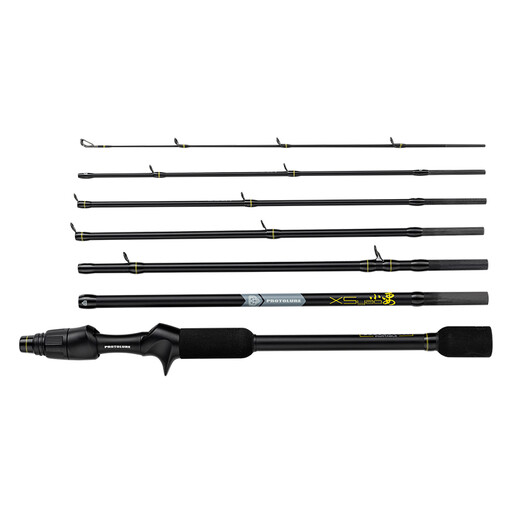
Why This Fits Their Persona: A straightforward option for anglers beginning with freshwater lure fishing for bass, trout or carp in UK lakes, canals and rivers.
Its product name clearly identifies freshwater lure and bass use, helping new buyers avoid choosing a general boat or heavy sea rod for light lure work.
Carbon construction is specified in the product name; the stated freshwater lure focus supports targeted selection.
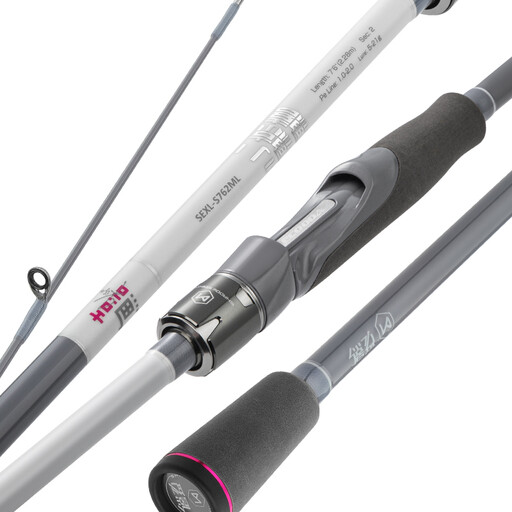
Why This Fits Their Persona: Suits anglers who want a named component specification and one lure-focused rod for bass, trout and carp applications.
The listed Fuji SIC and O-ring guide details give buyers specific components to verify instead of relying only on broad “premium” wording.
Carbon lure-rod construction and Fuji SIC guides are explicitly listed; the product covers several named species.
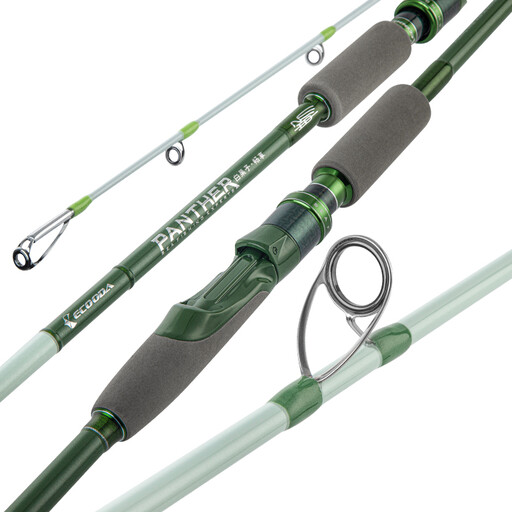
Why This Fits Their Persona: Intended for anglers who regularly fish UK beaches, piers or boats and prioritise reach with manageable weight.
The title identifies both sea fishing and boat use, reducing the risk of applying a light freshwater bass rod to heavier saltwater conditions.
The product is labelled as lightweight and long-cast; sea and boat applications are both stated.
We have compiled a complete, real-time list of products that fully satisfy these strict selection criteria and UK safety regulations.
Several ECOODA listings are specifically described for sea bass, sea fishing or freshwater and saltwater use. Before ordering, confirm the exact model’s length, lure or weight rating and guide details. A sea bass rod for lure casting may not be suitable for boat fishing with heavy terminal tackle.
Yes. A two-piece design is convenient for car transport and home storage. Check that the sections seat fully and that the joint is clean before each session. Transporting the rod in a suitable sleeve can help protect the blank and guides.
Rinse it with fresh water after every saltwater session, paying attention to guides, ferrules and the reel-seat area. Dry it fully before placing it in storage. Avoid abrasive cleaning products and inspect the blank for damage before the next trip.