
24/7 Customer Support

Free returns

Same-day & Next-day Delivery

Quality Guaranteed

Unlock Your Welcome Offers: FREE Delivery | Up to 80% OFF | Free 30-day JoyPlus trial
Download the APP
Hydration products cover far more than bottled water. UK shoppers can choose from hydrating skincare, hair conditioners, electrolyte powders, ready-to-drink beverages and probiotic supplements. That variety is useful, but it also makes comparison difficult.
Marketing can make a product sound suitable for everyone when it may only fit a specific need. A rich body lotion may feel uncomfortable on oily skin, a purple shampoo can over-tone light hair, and an electrolyte drink may contain more sugar than expected. Before buying, focus on the label, intended use and practical cost per serving rather than attractive claims alone.
A moisturising face serum or body lotion helps improve the feel and appearance of skin by applying ingredients such as glycerin, oils or hyaluronic acid. It does not replace drinking fluids. Similarly, an electrolyte powder is a drink supplement, not a treatment for a medical condition.
Think of hydration products as separate categories:
Low-calorie electrolyte drinks may use sweeteners, while fruit drinks and flavoured teas can contain notable amounts of sugar. Compare the nutrition panel per serving, not just the front-of-pack wording. Also check whether one serving means a scoop, sachet, bottle or shot.
For regular use, calculate the cost per serving. A multi-pack may reduce the unit price, but only if you will consume the full quantity before the use-by or best-before guidance.
“Natural”, “plant-based” and “gentle” are not guarantees of suitability. Fragrance, essential oils, preservatives, coconut, soy, oat and barley can all matter to individual shoppers. Read the full ingredient list and allergen statement before ordering.
For supplements, follow the stated dose and warnings. People who are pregnant, breastfeeding, taking medication or managing a health condition should seek appropriate medical advice before using a dietary supplement.
A humectant such as glycerin or hyaluronic acid attracts and holds water at the skin’s surface. A cream or lotion may also contain emollients, including oils and butters, which help leave skin feeling smoother. Gel textures are generally lighter, while richer lotions may suit very dry body skin.
For sensitive skin, prioritise a short, clearly listed formula and consider fragrance-free options. Patch testing is sensible when trying a new moisturising face serum, particularly if the formula contains botanical extracts or niacinamide.
When choosing a hydrating hair conditioner, look for conditioning agents and emollients that help detangle and soften the lengths. Curly, coily and dry hair may prefer a richer cream, while fine hair can become weighed down by heavy formulas.
A purple shampoo for blonde hair is designed for occasional toning rather than necessarily replacing a standard shampoo. Follow the recommended contact time, as purple pigments may temporarily stain surfaces or over-tone porous hair. Check whether the formula contains sulphates if avoiding them is important to you.
Electrolyte products commonly contain minerals such as sodium, potassium, magnesium and calcium. The amount varies widely, so compare the nutrition panel per serving. For hydration products for athletes, consider how much fluid you will drink, the intensity of activity and whether you need electrolytes at all for a particular session.
Look for clearly stated:
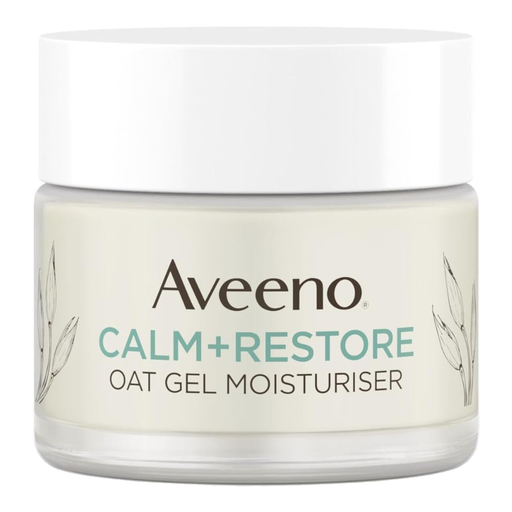
Why This Fits Their Persona: A compact facial moisturiser for shoppers who want a straightforward daily product for normal to dry or sensitive skin without a heavy finish.
Its gel-cream texture helps avoid the assumption that intensive hydration must feel greasy. The listing identifies it as fragrance-free and non-comedogenic.
Contains glycerin and oat ingredients; lightweight, fast-absorbing format for morning and evening use.
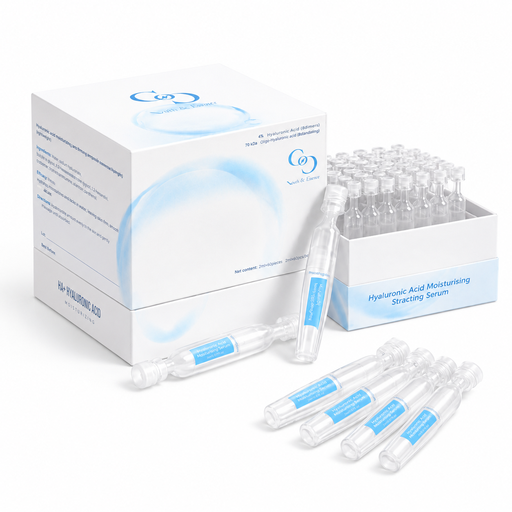
Why This Fits Their Persona: Individual 1ml vials suit shoppers who value measured application, portability and a sealed format for gym bags or travel.
The single-use design makes the amount easy to measure and limits repeated contact with the container. Patch test before regular use.
Box of 30 vials; formula lists glycerin, betaine, niacinamide and sodium hyaluronate.
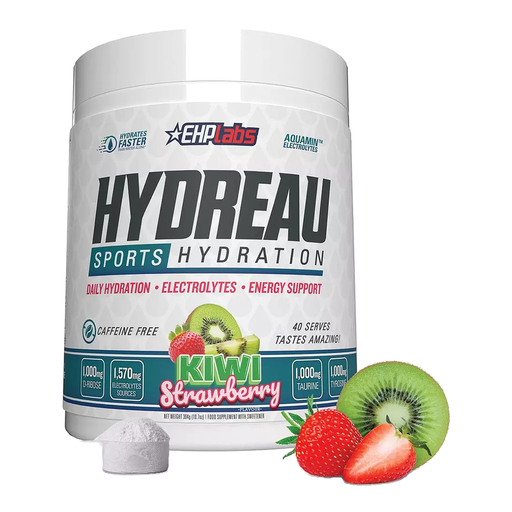
Why This Fits Their Persona: A 40-serving powder for active shoppers who prefer mixing a drink before or after training rather than carrying multiple bottles.
The label provides serving instructions, calories, sugars and mineral amounts, making it easier to compare with sports drinks.
15 kcal and 1g sugar per listed serving; includes sodium, magnesium, potassium, calcium and coconut water powder.
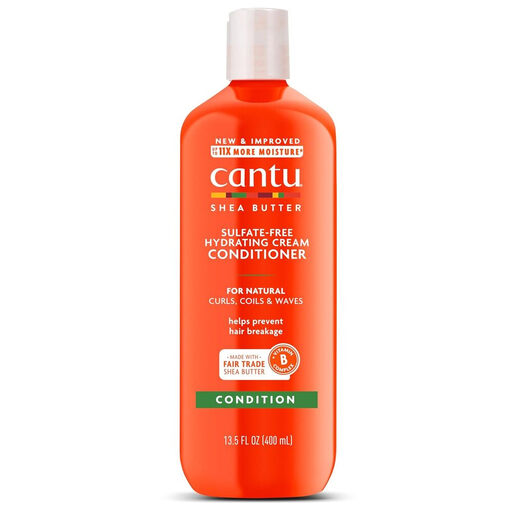
Why This Fits Their Persona: Designed for shoppers with curly, coily, wavy, natural or coloured hair who want a richer conditioner for dry-feeling lengths.
The formula is identified as sulphate-free and free from mineral oil, parabens, silicones, phthalates, paraffin and propylene glycol.
400ml format; contains shea butter and panthenol, and is intended to help soften and detangle dry hair.
We have compiled a complete, real-time list of products that fully satisfy these strict selection criteria and UK safety regulations.
Electrolyte powders, hydration stick packs and low-calorie electrolyte drinks can be convenient during longer or more intense exercise, especially when you are sweating heavily. Compare sodium and other mineral levels, serving size and sugar content. For ordinary daily activity, plain water and a balanced diet may be sufficient.
Follow the packaging symbol and storage instructions. Keep products sealed, away from excessive heat and direct sunlight, and avoid using them if the smell, colour or texture changes unexpectedly. Single-use serum vials should be discarded after opening.
No. Plant-based drinks may contain soy, nuts, oats or other allergens, and some contain added sugar. Check the ingredients, allergen declaration and nutrition panel. For supplements, verify the stated vegan, Halal, gluten-free or dairy-free information rather than relying on general product imagery.