
24/7 Customer Support

Free returns

Same-day & Next-day Delivery

Quality Guaranteed

Unlock Your Welcome Offers: FREE Delivery | Up to 80% OFF | Free 30-day JoyPlus trial
Download the APP
Choosing Rawlplug wall fixings is not simply a matter of picking the largest pack or the lowest price. The correct fixing depends on the wall construction, the load, the fitting thickness and the installation method. A fixing that works for a lightweight picture frame may be unsuitable for a radiator, wall cabinet or wash basin.
This guide explains the main buying pitfalls, the specifications worth checking and a selection of products for different UK DIY and trade requirements.
A large box can appear economical, but it may contain fixings designed only for plasterboard or lightweight applications. Fixings for plasterboard are not automatically suitable for brick, concrete or blockwork. Using the wrong type can lead to spinning plugs, loose screws or damage to the board.
A stated load capacity is only meaningful when the fixing has been installed in the correct substrate, with the correct screw and hole size. The condition of the wall also matters. Damaged plasterboard, hollow sections and weak masonry may not provide the same support as sound material.
For heavier installations, spread the load across multiple fixing points where appropriate and follow the product instructions. Do not use a small self-drill fixing for an item that may place sustained or moving force on the wall.
The screw must pass through the mounted item and engage correctly with the fixing. A screw that is too short may not secure the fitting; one that is too long can interfere with the cavity or services behind the wall. Check the maximum fitting thickness before purchasing, particularly for tiled plasterboard, frames and bathroom accessories.
Identify the wall before selecting a product:
If the wall contains tiles, insulation, a cavity or uncertain construction, check the installation instructions and avoid drilling near hidden electrical cables or plumbing.
Product dimensions such as M4 x 38mm, M4 x 40mm, M5 x 80mm or 8 x 120mm describe the fixing or screw size. These dimensions are not interchangeable.
For example, the RAWLPLUG Interset M4 x 40mm has an 8mm drill size and a stated 20mm fixing thickness. The RAWLPLUG Frame Fixings 8 x 120mm have a maximum fitting thickness of 80mm, making them more appropriate for substantial frames than short plasterboard screws.
Some products require no pilot hole, while others specify one. The RAWLPLUG metal self-drill range requires an 8mm pilot hole and should be used with the supplied screws. By contrast, the nylon self-drill version is designed to pierce the plasterboard before the screw is driven home.
Check whether the pack includes screws, whether a setting tool is recommended and whether the fixing can be removed or reused. These details affect installation time and total project cost.
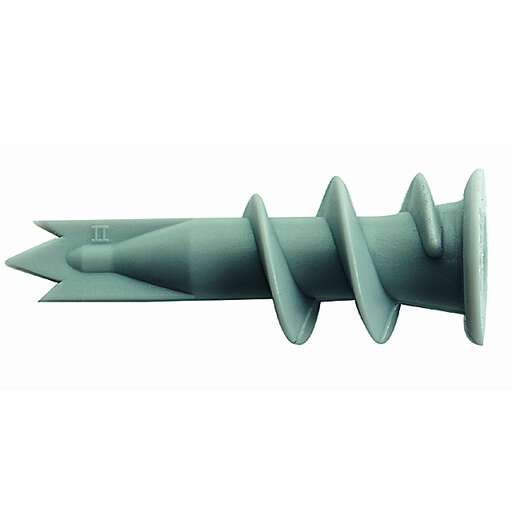
Why This Fits Their Persona: A practical option for small indoor decorating jobs where a compact pack and straightforward installation are useful.
The product description states a maximum fitting thickness of 12mm, helping buyers avoid using it for thicker or heavier fittings.
No separate drilling step is specified; the nylon fixing fits flush and can be removed and reused.
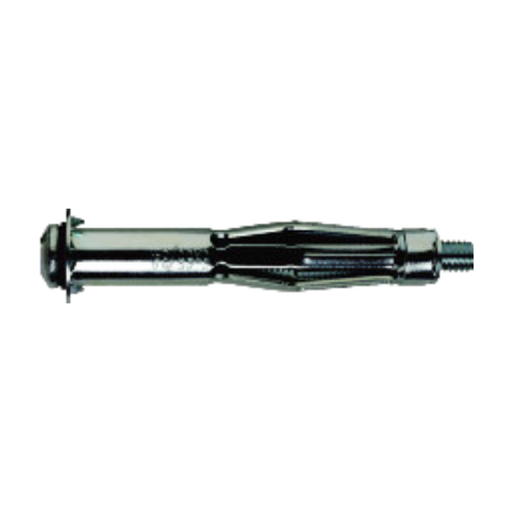
Why This Fits Their Persona: Suitable for buyers who want a reusable cavity fixing for planned bathroom, kitchen or partition-board installations.
Its stated 8mm drill size and 20mm fixing thickness provide clearer installation parameters than generic cavity-fixing descriptions.
Card of 10; screw and fitting can be removed and reused with a standard slotted or Pozidriv screwdriver.
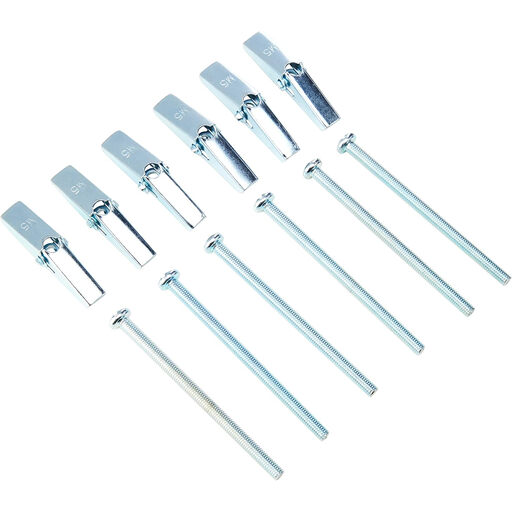
Why This Fits Their Persona: Designed for users working with cavity walls, ceilings, lath and plaster, or larger fittings that need a wider load-spreading action.
The M5 x 80mm size and spring-toggle design are specified for cavity applications, rather than being marketed as a universal wall plug.
The toggle spreads the load over a wider area; no special tool is listed as necessary.
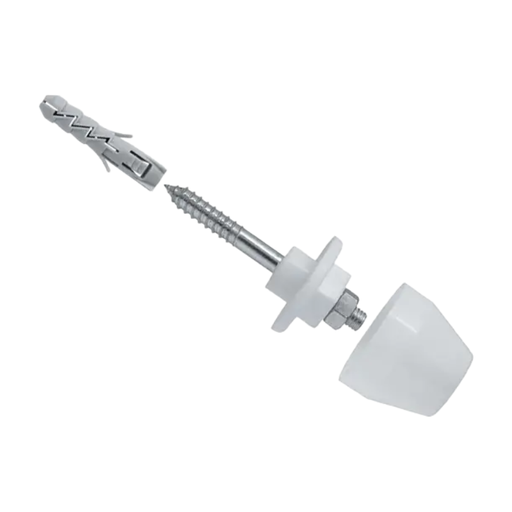
Why This Fits Their Persona: A focused choice for wash basin installations where a dedicated basin fixing kit is more appropriate than an assorted general-purpose pack.
It is described specifically for the majority of wash basins, reducing the risk of substituting an unsuitable picture or plasterboard fixing.
Purpose-designed wash basin kit; suitable for a common bathroom installation requirement.
We have compiled a complete, real-time list of products that fully satisfy these strict selection criteria and UK safety regulations.
Some are, but the choice depends on the load and board construction. Nylon or metal self-drill plasterboard fixings suit certain lighter fittings, while Interset cavity fixings or spring toggle fixings may be more appropriate for heavier or larger items. Always check the stated substrate, drill size and fitting thickness.
For hollow walls, consider a cavity fixing that expands behind the board, provided the board condition and cavity depth are suitable. For brick, concrete or blockwork, use fixings for masonry and select a drill bit and plug size that match the product instructions. Spread the load across suitable fixing points and check for hidden services before drilling.
Some can. The RAWLPLUG nylon self-drill and Interset products listed above state that the screw and fitting can be removed and reused. Reuse should only be considered when the components remain undamaged and the fixing still engages securely. Replace any fixing showing cracks, deformation or thread damage.