
24/7 Customer Support

Free returns

Same-day & Next-day Delivery

Quality Guaranteed

Unlock Your Welcome Offers: FREE Delivery | Up to 80% OFF | Free 30-day JoyPlus trial
Download the APP
As a Joybuy Product Recommendation Officer, my role is to help you navigate the crowded market of angling equipment. When it comes to selecting sea bass fishing tackle, it's easy to be swayed by marketing hype and end up with gear that isn't quite right for the challenging UK coastline. Before you invest, let's look at a few common pitfalls that can lead to a disappointing purchase and an empty keepnet.
One of the most frequent issues is the "one-size-fits-all" saltwater rod. Many products are advertised as being suitable for all sea fishing, yet they lack the specific characteristics needed for modern lure fishing for bass. They may be too heavy, have a slow, unresponsive action or feature components that corrode after just a few sessions in the salt spray.
Another trap is overpaying for reels with an excessive number of ball bearings or overly complex drag systems. While these features sound impressive, they often add unnecessary weight and cost without a noticeable benefit for the average UK bass angler. A smooth, well-sealed drag is far more important than a high bearing count. Finally, a poorly balanced rod and reel combination is a recipe for a frustrating day. An outfit that feels top-heavy or unbalanced will reduce casting distance, diminish sensitivity and cause fatigue.
To ensure your money is well spent, focus on a few key technical specifications. Understanding these will help you choose effective and durable lure fishing tackle UK anglers can rely on.
The material of your sea bass fishing rod is fundamental to its performance. Most modern lure rods are carbon fishing rods, prized for their lightness and sensitivity. However, the 'action' is just as important.
For UK sea bass lure fishing, a rod with a fast or medium-fast action is generally the most effective choice.
A saltwater spinning reel lives a hard life. Salt is incredibly corrosive, so material choice and construction are paramount. Look for reels with bodies and spools made from aluminium or high-quality, corrosion-resistant graphite composites.
More importantly, check for features that protect the internal mechanics. Sealed bearings and sealed drag systems are not just marketing terms; they are crucial for preventing saltwater and sand from getting inside the reel, which can cause catastrophic failure. A smooth, consistent drag is vital for tiring out a large bass without the line snapping. For anglers fishing from the shore, a long cast surf reel with a large, shallow spool can significantly increase casting distance.
Many of the UK's prime bass marks require a bit of a walk. A two-piece travel fishing rod is far more convenient to transport and store than a single-piece version. When inspecting a two-piece rod, pay close attention to the joint (the point where the two sections connect). A well-made spigot or put-over joint will feel secure, with no twisting or wobbling, ensuring the rod performs as if it were a single piece.
Based on these practical criteria, we've identified several pieces of tackle that align with the needs of specific types of UK anglers.
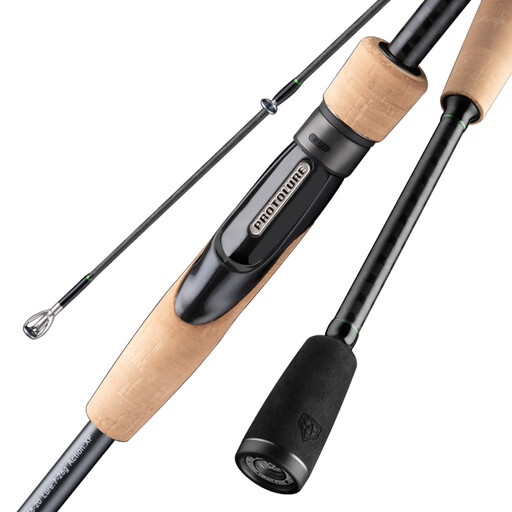
Why This Fits Their Persona: This angler travels to various coastal marks, from rocky gullies to estuaries. The two-piece construction makes it easy to pack in the car and carry over uneven ground, offering versatility without being cumbersome.
It sidesteps the "all-in-one" trap by being specifically designed for sea bass, implying an appropriate action and build for lure work, rather than being a generic boat or beach rod.
Its primary advantage is its portability as a two-piece travel fishing rod, combined with features tailored for saltwater lure fishing.
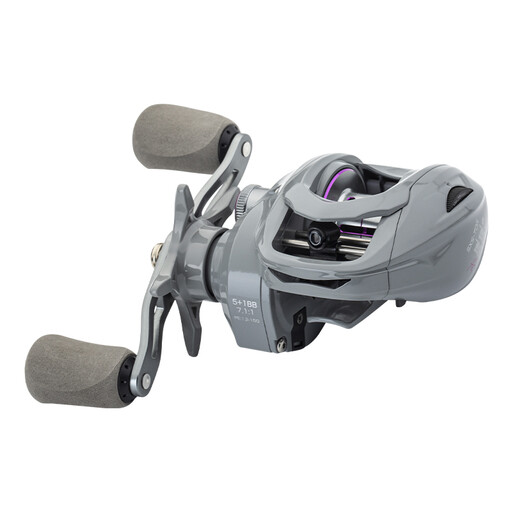
Why This Fits Their Persona: For anglers fishing open surf beaches where reaching the feeding zone behind the breakers is critical. This reel is built to maximise every cast and withstand the harsh, sandy environment.
This reel avoids the trap of over-hyped features by focusing on one core function: distance. Its value comes from a specific, verifiable design feature (the long-cast spool) rather than an inflated bearing count.
The purpose-built long cast surf reel spool allows the line to leave with minimal friction. The metal aluminium construction offers the rigidity and corrosion resistance needed for surf conditions.
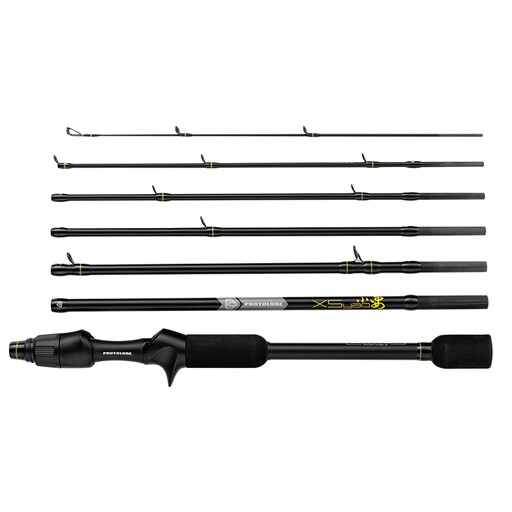
Why This Fits Their Persona: This angler prioritises feel and sensitivity above all else. They need to detect the slightest tap on the lure and have a balanced outfit for hours of casting. This rod is a tool for precision work.
By choosing a dedicated carbon fishing rod, you avoid the trap of a poorly balanced outfit. Its lightweight nature allows for pairing with a suitable reel (like the SXF Shadow Seeking) to create a setup that feels like an extension of your arm.
The high-modulus carbon blank transmits vibrations directly to your hand, providing superior bite detection. This sensitivity is the key to converting more follows into hooked fish.
We have compiled a complete, real-time list of products that fully satisfy these strict selection criteria and UK safety regulations.
For most UK shore marks, a rod between 8ft and 10ft offers an excellent combination of casting distance and lure control. Shorter rods in the 8-9ft range provide better accuracy when fishing from rock ledges or in tight spots. Longer rods, from 9ft to 10ft, are generally better for achieving maximum distance on open beaches.
A saltwater spinning reel is the most common choice for UK bass anglers. It is versatile, simple to use and performs well in the often windy coastal conditions. A baitcasting reel can offer greater casting accuracy and winching power, but it has a steeper learning curve and is prone to line tangles (known as 'bird's nests') if not used correctly. They are typically favoured by more experienced anglers, often for boat fishing or casting heavier lures.
Proper maintenance is simple but essential. After every single trip, you should rinse your rod and reel thoroughly with fresh, clean water to wash away any salt deposits. Gently wipe them dry with a soft cloth. For long-term care, periodically apply a small amount of specialist reel oil to moving parts like the handle and line roller and use a corrosion-inhibiting spray on the reel body and rod guides. This routine will dramatically extend the lifespan of your gear.