
24/7 Customer Support

Free returns

Same-day & Next-day Delivery

Quality Guaranteed

Unlock Your Welcome Offers: FREE Delivery | Up to 80% OFF | Free 30-day JoyPlus trial
Download the APP
Chasing sea bass along the UK's varied coastline is a pursuit that requires skill, patience and the right equipment. The sudden, aggressive take of a bass on a lure is a moment many anglers live for. However, selecting the correct sea bass lure rod can be a confusing task, with countless options available. This guide is designed to cut through the clutter, offering clear, practical advice to help you choose a rod that suits your angling style and the unique challenges of UK waters.
We will explore the key features to look for in a modern lure rod and present a few recommendations that offer a strong combination of performance and utility for the dedicated bass angler.
Before diving into specific models, understanding a few core principles will help you make a more informed decision. The right saltwater lure rod is a balance of several factors.
The majority of modern lure rods are constructed from carbon fibre. A carbon spinning rod offers a fantastic blend of lightness, strength and sensitivity. This sensitivity is crucial for lure fishing, as it allows you to feel exactly what your lure is doing and detect subtle bites. Rods are often described with an 'action' (e.g., fast, medium-fast), which refers to how much of the rod bends under pressure. For bass lure fishing, a fast or medium-fast action is often preferred. It provides the power to cast lures a long distance and the backbone to set the hook firmly into a bass's hard mouth.
The ideal rod length depends on where you fish. For general inshore fishing rod use from the shore, lengths between 8ft (2.4m) and 9ft 6in (2.9m) are very popular. This provides excellent casting distance while remaining manageable. If you primarily fish from a boat or kayak, a shorter rod of around 7ft to 8ft can be easier to handle in a confined space.
Casting weight, indicated in grams (e.g., 10-30g), tells you the optimal weight range of lures the rod is designed to cast. Match this to the lures you use most often. A versatile rod with a casting weight of around 10-40g will cover most common bass lures, from soft plastics to hard diving plugs.
For anglers who cover a lot of ground or have limited storage, a two-piece rod is the standard. It offers a good compromise between performance and convenience. For those who value ultimate portability for hiking to remote marks or holidays, a multi-section travel lure rod can be an excellent choice. Ensure the joints are well-made to avoid any flat spots in the rod's action.
Here are a few models that stand out for their features and suitability for UK bass angling.
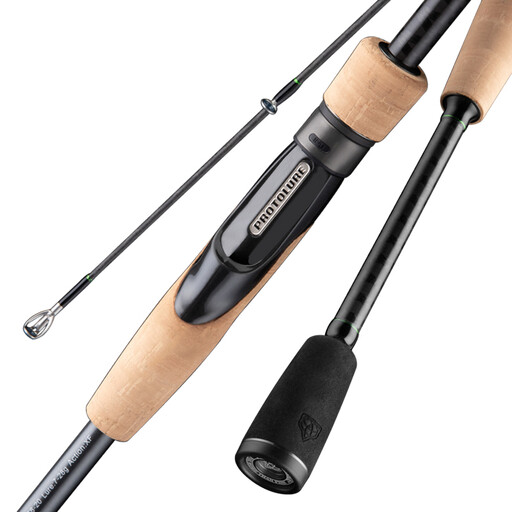
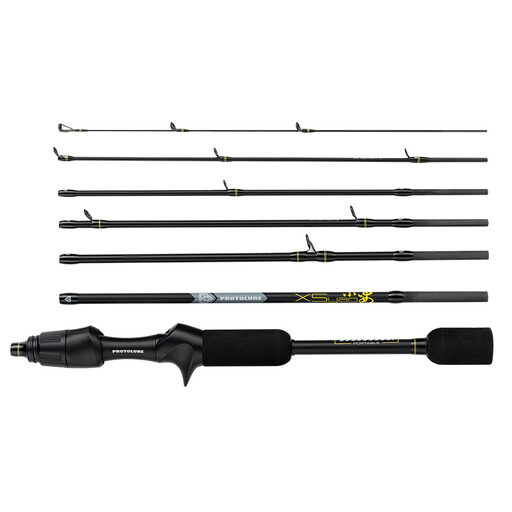
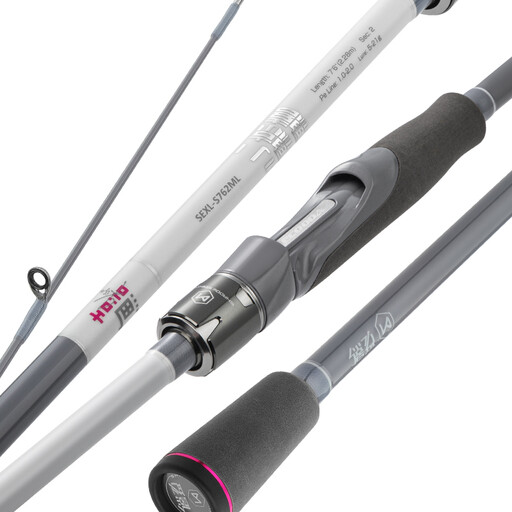
The recommendations above are geared towards shore-based lure angling. If your fishing is primarily done from a vessel, different rod characteristics might be more suitable. For a wider selection tailored to this style, you may wish to explore our collection of boat fishing rods.
For shore-based lure fishing in the UK, a rod between 8ft and 9ft 6in is generally considered the sweet spot. This length provides the leverage for long casts to reach feeding fish but is not so long that it becomes unwieldy. For boat or kayak fishing, a shorter rod of 7ft to 8ft is often more practical.
A versatile casting weight for UK bass fishing is typically in the range of 10-40g. This covers the most popular lure types, from lighter soft plastics and surface lures (10-20g) to heavier metal jigs and diving plugs (25-40g) used in faster currents or deeper water.