
24/7 Customer Support

Free returns

Same-day & Next-day Delivery

Quality Guaranteed

Unlock Your Welcome Offers: FREE Delivery | Up to 80% OFF | Free 30-day JoyPlus trial
Download the APP
Whether you're stepping onto the mat for the first time or looking to deepen a long-standing practice, achieving the correct alignment and stability can be a challenge. A simple yoga block, also known as a yoga brick, is one of the most valuable yoga accessories you can own. It acts as a supportive extension of your body, helping you to safely explore poses, improve balance and find comfort in your practice.
But with different materials and features available, choosing the right one can feel confusing. This guide is designed to cut through the clutter, explaining the key considerations to help you find a yoga block that supports your specific needs, whether for yoga, Pilates or meditation.
Before selecting a block, it's helpful to understand the main factors that influence its performance and feel. Consider these points to make an informed choice.
The material of a yoga block is its most defining feature, directly impacting its weight, firmness and texture.
Cork Yoga Block: Made from the bark of cork oak trees, these blocks are a sustainable and eco-friendly choice. They are significantly firmer and heavier than their foam counterparts, providing excellent yoga props for stability in balancing poses like Half Moon (Ardha Chandrasana). The natural texture of a cork yoga block offers a reliable, non-slip yoga block surface, even during a sweaty practice. Its density ensures it won't compress under weight, offering solid, dependable support.
Foam Yoga Block: Typically made from high-density foam, these blocks are lightweight and have a softer surface. This makes them more comfortable for restorative poses, such as placing one under your back for a supported fish pose or for use as a meditation block. A foam yoga block is also easier to transport to and from a studio. Look for blocks made from denser PE (Polyethylene) foam, which offers greater durability and less compression than standard, lighter EVA foam.
The standard size for a yoga block is approximately 9 x 6 x 4 inches. This versatile design offers three different height options, allowing you to adjust the level of stretching support as your flexibility improves. Most quality blocks also feature beveled or rounded edges. This small detail makes a big difference, providing a more comfortable and secure grip, especially when you're putting your full weight onto the block.
Based on material quality, user-focused design and versatility, here are our recommendations to help you find a reliable prop for your practice.
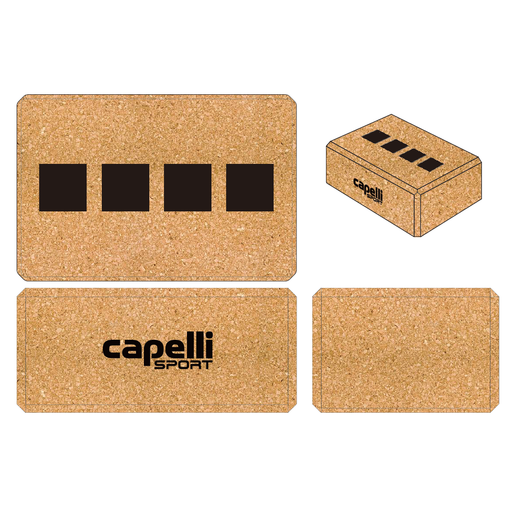
Why It Stands Out: This block is crafted from natural, eco-friendly cork, giving it a substantial and grounded feel. Its firm structure provides unwavering support, making it an excellent tool for practitioners who need to build confidence in balancing postures or require a solid foundation to deepen stretches without any give. The natural non-slip surface performs well in all conditions.
Pros:
Who is it for?: Ideal for yogis of all levels who prioritise stability and a grounded feel. It's particularly useful for those working on balance, as well as eco-conscious individuals looking for a durable, natural prop.
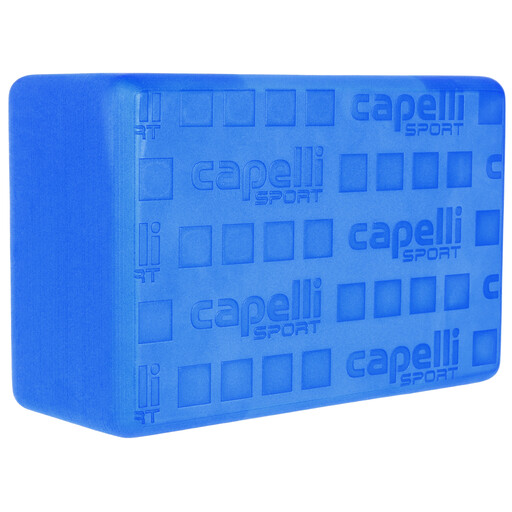
Why It Stands Out: This block is constructed from a high-density PE foam that is noticeably more durable than standard EVA blocks, yet it remains lightweight and easy to handle. Its surface is soft and comfortable against the skin, making it a great choice for restorative poses or for anyone who finds cork too hard. The beveled edges ensure a secure grip during transitions.
Pros:
Who is it for?: A perfect starting point for beginners, as well as practitioners of yin or restorative yoga who need gentle support. It's also a practical choice for anyone seeking a lightweight pilates block or a prop for travel.
A yoga block is just one of many tools that can enhance your home practice. If you're searching for other props like straps, bolsters or resistance bands, you can find a wider selection to complete your setup.
Explore our full range of home fitness accessories here.
1. What is the difference between a yoga block and a yoga brick? The terms yoga block and yoga brick are now used almost interchangeably. Historically, "bricks" referred to heavier, solid props made of wood or cork, while "blocks" were the lighter foam versions. Today, you will see both terms used for either material, with the function being identical: to provide support and aid alignment.
2. How many yoga blocks do I need? For many beginners, one block is sufficient to provide support in poses like Triangle or Forward Fold. However, owning a pair is highly recommended. Two blocks allow for symmetrical support in poses like a supported Bridge Pose or when resting the hands in Upward-Facing Dog. They offer far more versatility for modifications as your practice evolves.
3. Can I use a yoga block for Pilates? Absolutely. A yoga block serves the same function as a pilates block. In Pilates, it can be used to support the head and neck for correct spinal alignment, placed between the knees to engage inner thigh muscles or used under the hands to modify planks and other exercises. Its versatility makes it a valuable prop for both disciplines.